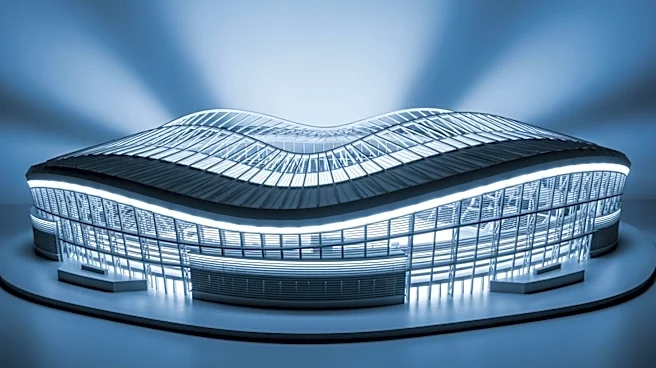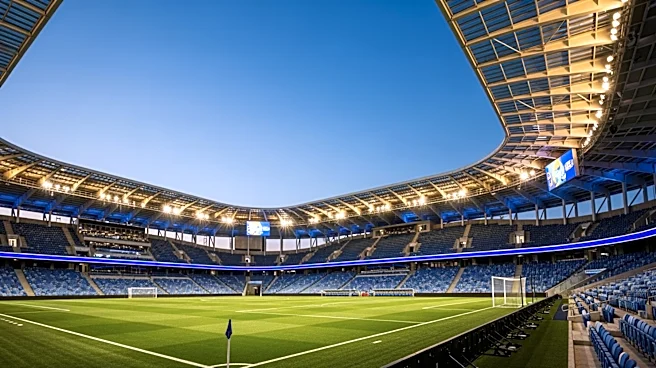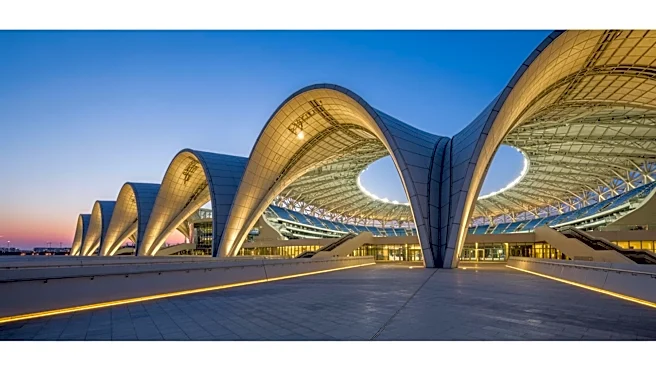

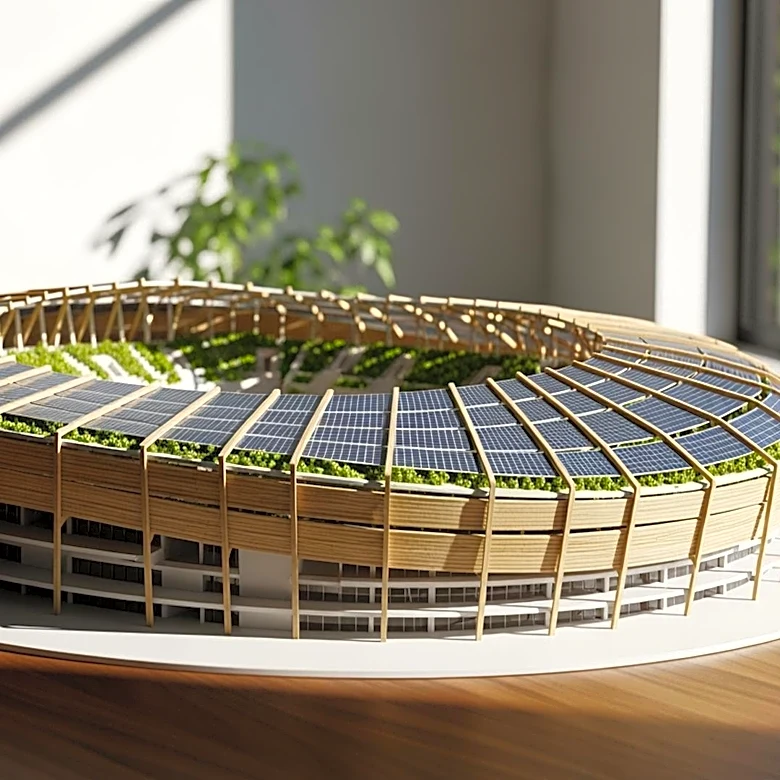




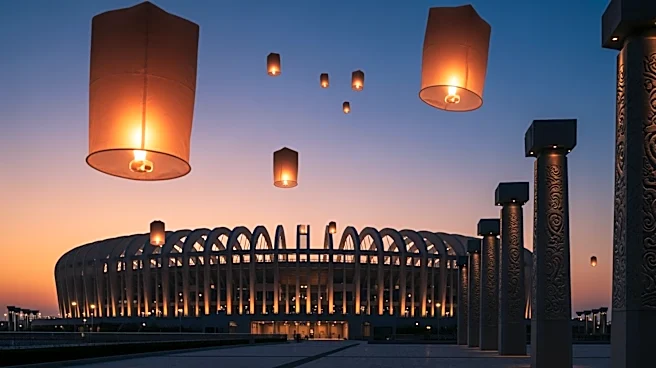

Mbombela Stadium, located in Nelspruit, South Africa, is not just a venue for sports events but also an architectural wonder. Built for the 2010 FIFA World Cup, the stadium stands out with its distinctive design elements that reflect the local culture and environment. With a seating capacity of 43,500, it is a significant landmark in the region.
Unique Design Elements
One of the most striking features of Mbombela Stadium is its giraffe-shaped roof supports. These supports are
not only functional but also serve as a nod to the wildlife that is synonymous with the region. The design choice reflects a deep connection to the local environment, making the stadium a symbol of regional pride. The giraffe supports are complemented by zebra-striped seats, further enhancing the stadium's unique aesthetic.
The use of these animal motifs is more than just decorative. It represents a thoughtful integration of the stadium into its surroundings, celebrating the natural beauty and wildlife of South Africa. This design approach has made Mbombela Stadium a favorite among visitors and locals alike, who appreciate the blend of functionality and cultural symbolism.
Construction and Capacity
Mbombela Stadium was constructed with the 2010 FIFA World Cup in mind, a significant event that put South Africa on the global sports map. The stadium's capacity of 43,500 seats was designed to accommodate large crowds, ensuring that it could host major international events. The construction of the stadium was a massive undertaking, involving careful planning and execution to meet the standards required for a World Cup venue.
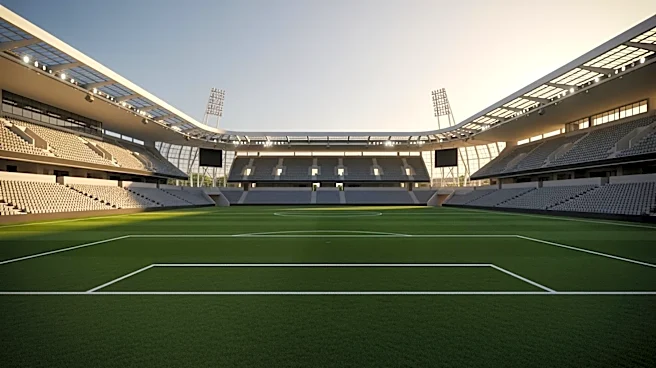
The stadium's design also considered the comfort and safety of spectators. The seating arrangement ensures that every seat offers a good view of the field, enhancing the overall experience for fans. The infrastructure supports efficient crowd management, which is crucial during large events.
Legacy and Impact
Since its opening, Mbombela Stadium has hosted numerous events, including a friendly match in 2012. Its impact extends beyond sports, as it has become a cultural and social hub for the community. The stadium has helped boost local tourism, attracting visitors who are eager to see its unique design and attend events.
The legacy of Mbombela Stadium is one of innovation and cultural celebration. It stands as a testament to South Africa's ability to host world-class events while showcasing its rich cultural heritage. The stadium continues to be a source of pride for the region, symbolizing the successful blend of modern architecture with traditional elements.