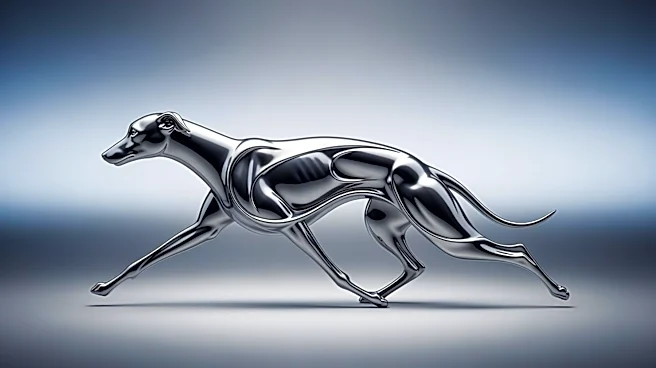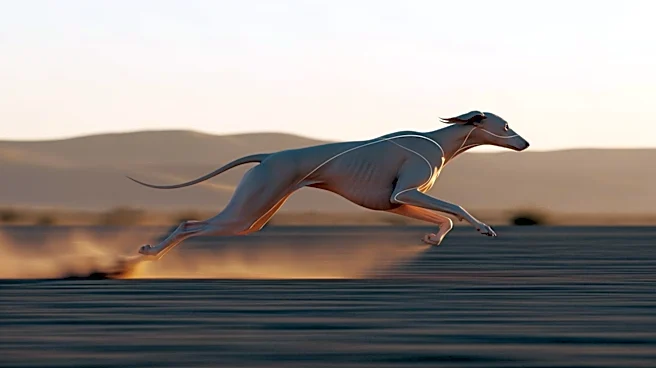




Greyhounds are often celebrated for their speed and agility, but they also possess a gentle and affectionate nature that makes them excellent companion animals. Known for their calm demeanor and friendly disposition, Greyhounds have become popular pets for families and individuals alike. This article delves into the temperament of Greyhounds and their suitability as household pets.
Temperament and Behavior
Greyhounds are renowned for their gentle and affectionate nature, making
them ideal pets for families with children. They are generally not barkers, which is beneficial in suburban environments, and they tend to be as friendly to strangers as they are with their own families. A study from the University of Pennsylvania found that Greyhounds are one of the least aggressive dog breeds towards strangers, owners, and other dogs.
Despite their calm demeanor, Greyhounds can be prone to sleep startle or sleep aggression if suddenly disturbed while napping. Owners should be mindful of this behavior, as Greyhounds often sleep with their eyes partially open, appearing awake. Training methods that use gentle commands are most effective, as Greyhounds respond well to kindness and respect.
Adaptability and Lifestyle
Greyhounds are adaptable animals that thrive in various living environments. They tend to be outgoing, happy, and sociable with people, often following their owners from room to room at home, earning them the nickname "Velcro dogs." Their sensitive nature means they require a calm and loving environment to flourish.
While Greyhounds are generally good with children, it is important to teach children to treat the dog with politeness and respect. Greyhounds have a strong prey drive, so caution should be exercised around small animals, including cats, which may be mistaken for prey.
Adoption and Care
Greyhound adoptions have become increasingly popular, with many rescue organizations dedicated to rehoming retired racing dogs. These dogs often adapt well to life as companion animals, with reported hyperactivity levels below that of shelter dogs. Adoption surveys have shown higher short-term success rates compared to traditional shelters.
Due to their unique physiology, Greyhounds require specific care, particularly when it comes to health and veterinary treatment. They are sensitive to insecticides, and products like Advantage and Frontline are recommended for flea and tick control. Greyhounds also have higher levels of red blood cells, allowing them to move oxygen quickly from the lungs to the muscles.
In summary, Greyhounds are gentle giants that make wonderful pets for those who appreciate their calm and affectionate nature. With proper care and understanding, they can thrive as beloved members of the family, offering companionship and loyalty to their owners.