









Cape Cod, a peninsula extending into the Atlantic Ocean from Massachusetts, is renowned for its unique geographic and natural features. This article delves into the glacial formations, coastal erosion, and diverse ecosystems that define Cape Cod's landscape, offering insights into its environmental significance.
Glacial Formations and Landscape
Cape Cod's landscape is primarily shaped by glacial landforms, formed by terminal moraine and outwash plains. These formations represent the
southernmost extent of glacial coverage in southeast New England, similar to those found on Long Island in New York and Block Island in Rhode Island. Geologically, Cape Cod is relatively young, having been laid down approximately 16,000 to 20,000 years ago.
The advance and retreat of the Laurentide Ice Sheet during the late Pleistocene era played a crucial role in shaping Cape Cod's geography. As the ice sheet retreated, it left behind kettle ponds—clear, cold lakes that remain on the Cape today. The receding glacier also contributed to the formation of Truro's bayside beaches, which were once a petrified forest.
Coastal Erosion and Environmental Challenges
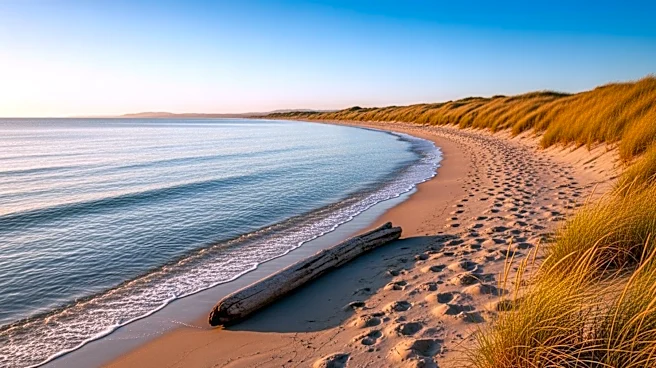
Cape Cod's coastline is subject to significant coastal erosion due to wave action and longshore drift. This erosion process transports sediment along the outer Cape's shoreline, leading to the growth of certain areas while diminishing others. Provincetown, located at the tip of the Cape, is a spit consisting largely of deposited marine sediment.
The Cape's exposure to the open ocean makes it vulnerable to erosion, with predictions that it may be completely submerged within several thousand years. Coastal erosion has led to the washout of beaches and the destruction of barrier islands, such as the breach at Chatham during Hurricane Bob in 1991. Efforts to manage erosion include the use of sediment deposition in marshes to create new land.
Ecosystems and Biodiversity
Cape Cod's diverse ecosystems are home to a variety of plant and animal species. The Cape's aquifer consists of six hydrologically independent lenses, providing drinking water to its towns. However, contamination from industrial chemicals and pharmaceutical drugs poses a concern, prompting the state to implement a nitrogen pollution regulation scheme.
The Cape's climate, influenced by the Atlantic Ocean, supports subtropical indicator plant species, such as Camellias and Magnolia grandiflora. The Cape's moderate climate, with cooler summers and milder winters, contributes to its rich biodiversity.
Cape Cod's geographic and natural features are integral to its identity, offering a glimpse into the dynamic processes that shape its landscape. The Cape's glacial formations, coastal erosion, and ecosystems highlight the importance of environmental conservation and sustainable management.