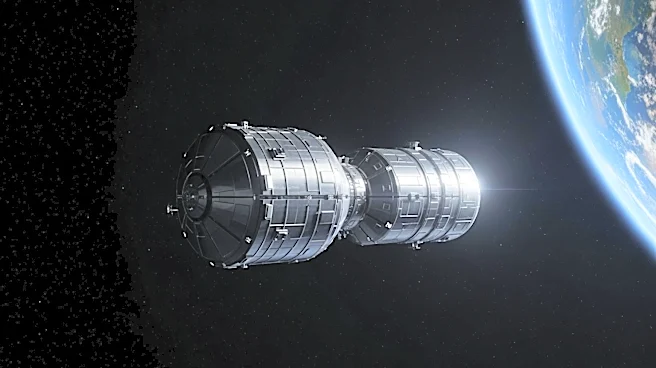



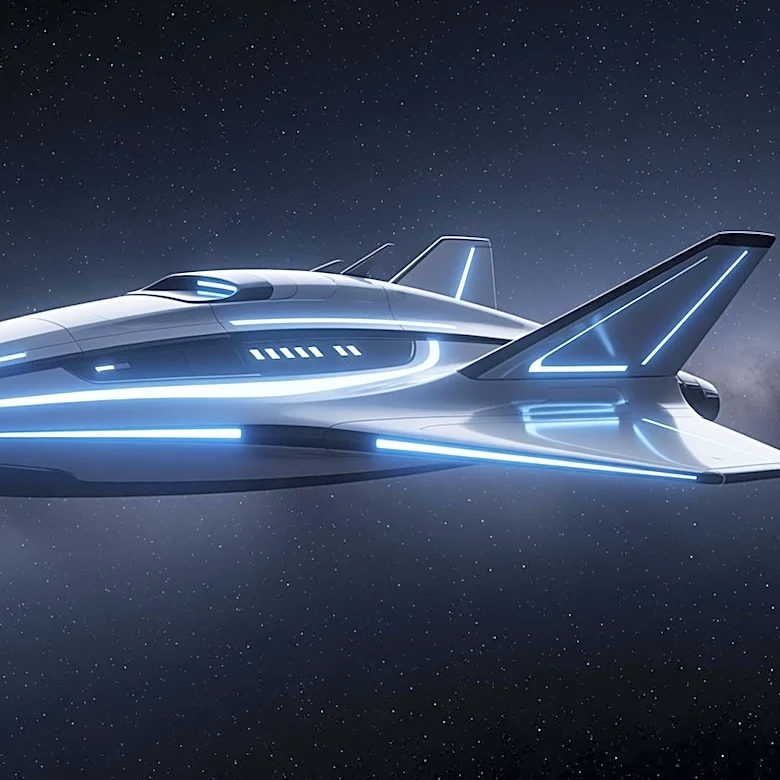
SpaceX Dragon 1 represents a significant leap in space technology, marking a decade of innovation from 2010 to 2020. Developed by SpaceX, an American private space transportation company, Dragon 1 was a class of partially reusable cargo spacecraft that flew 23 missions to the International Space Station (ISS). This article explores the development, key milestones, and the eventual transition to its successor, Dragon 2.
Development and Early Achievements
SpaceX began developing the Dragon
spacecraft in late 2004, with a public announcement in 2006 aiming for service entry in 2009. The development was part of NASA's Commercial Orbital Transportation Services (COTS) program, which sought commercial partners to resupply the ISS following the retirement of the Space Shuttle. SpaceX's proposal included the Dragon capsule, which was part of a team effort with MD Robotics, the Canadian company behind the ISS's Canadarm2.
In December 2010, Dragon made history by becoming the first commercially built and operated spacecraft to be successfully recovered from orbit. This maiden flight demonstrated SpaceX's capability to deliver cargo to the ISS, paving the way for future missions. By May 2012, Dragon achieved another milestone by successfully rendezvousing with and attaching to the ISS, marking the first commercial spacecraft to do so.
Operational Success and Reusability
Dragon 1's operational flights began in October 2012 under NASA's Commercial Resupply Services (CRS) program. SpaceX initially contracted for 12 operational missions, later extended to 20 launches until 2019. The spacecraft's design allowed for the reuse of previously flown capsules, a feature that was first demonstrated in June 2017 during the CRS-11 mission. This mission marked the first time a refurbished Dragon capsule was launched, showcasing SpaceX's commitment to reusability.
The Dragon 1 capsule could transport up to 3,310 kilograms of cargo, with the ability to return a similar amount to Earth. Its design included a PICA-X heat shield, enabling it to survive re-entry and land in the Pacific Ocean. The spacecraft's trunk, equipped with solar panels, was used for transporting unpressurized cargo to the ISS.
Transition to Dragon 2
The last flight of Dragon 1 occurred on March 7, 2020, marking the end of its operational life. This mission was the final one under SpaceX's first CRS contract with NASA. The transition to Dragon 2, which features both crewed and cargo versions, began with the CRS-2 program. Dragon 2 offers fully automated docking capabilities with the ISS, representing a significant technological advancement over its predecessor.
SpaceX Dragon 1's decade-long journey reflects the company's innovative approach to space transportation, setting the stage for future developments in commercial spaceflight. As Dragon 2 takes over, the legacy of Dragon 1 continues to inspire advancements in space exploration.