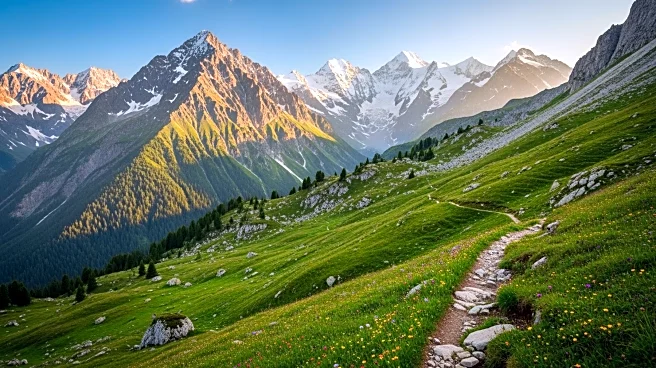

The Hautes-Alpes department, nestled in the heart of the French Alps, offers a unique blend of natural beauty and cultural richness. Known as the Upper Alps, this region is characterized by its stunning
landscapes, historical significance, and vibrant communities. With its prefecture in Gap and a population of just over 141,000, Hautes-Alpes is one of France's least populated departments, yet it holds a wealth of experiences for visitors and residents alike.
The Geography of Hautes-Alpes
Hautes-Alpes is surrounded by several French departments, including Alpes-de-Haute-Provence, Drôme, Isère, and Savoie, and it shares a border with Italy. The department is part of the larger Provence-Alpes-Côte d'Azur region and is renowned for its mountainous terrain. The average elevation exceeds 1,000 meters, with peaks soaring over 4,000 meters, making it a haven for outdoor enthusiasts.
The region's rivers, such as the Durance, Guisane, Buëch, Drac, and Clarée, carve through the landscape, providing both beauty and resources. The Durance River, in particular, has been dammed to create the Lac de Serre-Ponçon, one of Western Europe's largest artificial lakes. This geographical diversity supports a range of activities, from hiking and skiing to water sports.
Historical Significance and Development
Hautes-Alpes has a rich history dating back to its creation during the French Revolution on March 4, 1790. It was formed from parts of the former province of Dauphiné and the north of Provence. The department's history is marked by its strategic location, which has seen it play a role in various historical events, including Napoleon's return from exile on Elba via the Route Napoléon.
During World War II, the region was occupied by Italian forces from 1942 to 1943. Despite these tumultuous times, Hautes-Alpes has maintained its cultural heritage and autonomy, benefiting from certain fiscal privileges since the 14th century under the Statute of the Briançon Escartons.
Culture and Demographics
The people of Hautes-Alpes, known as Haut-Alpins, have a strong connection to their mountainous environment. The department's sparse population is a testament to its rugged terrain, which has shaped the lifestyle and culture of its inhabitants. The population has fluctuated over the centuries, with significant declines after World War I, but has seen growth in recent decades, largely due to tourism.
Tourism is a vital part of the local economy, with the region attracting visitors for its skiing, hiking, and cycling opportunities. The Tour de France frequently passes through Hautes-Alpes, drawing cycling enthusiasts from around the world. This influx of visitors has helped revitalize the area, bringing new life to its towns and villages.
Hautes-Alpes stands as a testament to the enduring allure of the French Alps, offering a unique blend of natural beauty, historical depth, and cultural vibrancy.