


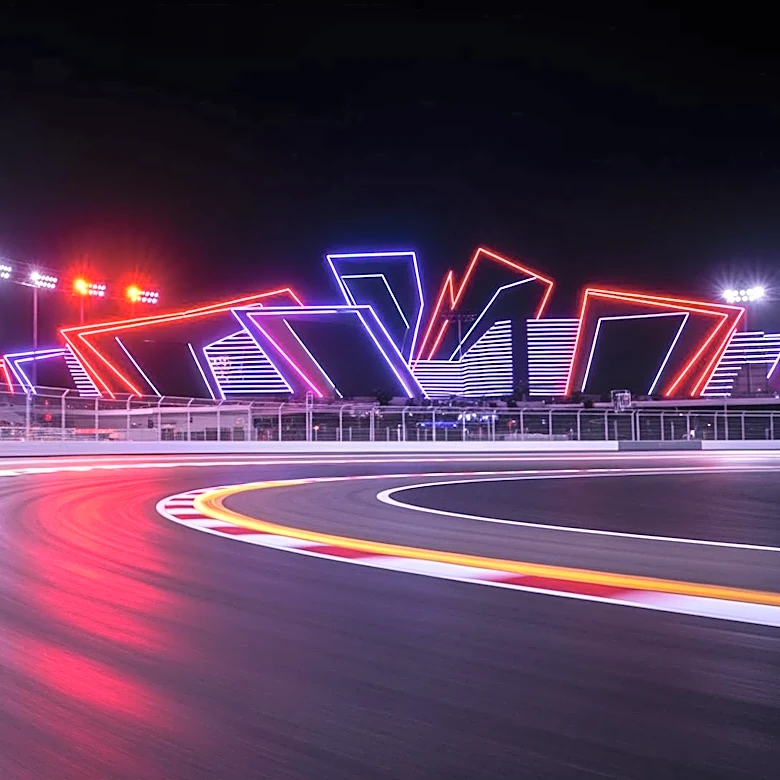


The Indianapolis Motor Speedway is more than just a racing venue; it is a cultural icon that has left an indelible mark on American society. Known as "The Racing Capital of the World," the Speedway has been a symbol of innovation, competition, and community since its opening in 1909. This article explores the cultural significance of the Speedway and its influence on American culture and beyond.
A Symbol of Innovation and Progress
From its inception, the Indianapolis Motor Speedway has
been a symbol of innovation and progress in the automotive industry. Carl G. Fisher, the Speedway's founder, envisioned it as a proving ground for the burgeoning automobile industry, a place where manufacturers could test and showcase their latest advancements. The Speedway's early adoption of brick paving and later asphalt surfacing demonstrated a commitment to safety and performance, setting a standard for racetracks worldwide.
The Indianapolis 500, the Speedway's flagship event, has been a platform for technological innovation, with advancements such as rear-view mirrors, seat belts, and turbocharged engines making their debut at the race. These innovations have not only shaped the future of motorsport but have also influenced the development of consumer vehicles, highlighting the Speedway's role in driving progress.
A Community Gathering Place
The Indianapolis Motor Speedway has long been a gathering place for communities, bringing together people from diverse backgrounds to celebrate the thrill of racing. The Speedway's events, particularly the Indianapolis 500, have become annual traditions for many families, drawing spectators from across the country and around the world.
The Speedway's impact extends beyond the racetrack, contributing to the local economy and fostering a sense of pride among residents of Indianapolis and the surrounding areas. The venue's ability to unite people through a shared passion for racing has made it a cultural touchstone, reflecting the values of competition, camaraderie, and perseverance.
Influence on Popular Culture
The Indianapolis Motor Speedway has also made its mark on popular culture, inspiring films, music, and literature. The Speedway's iconic status has been immortalized in movies such as "Winning" and "Turbo," capturing the excitement and drama of the Indianapolis 500. Songs like "Back Home Again in Indiana," traditionally sung before the start of the race, have become synonymous with the event, evoking a sense of nostalgia and tradition.
The Speedway's influence extends to the world of literature, with numerous books and articles chronicling its history and the stories of the drivers who have competed there. These cultural representations have helped to cement the Speedway's place in the American consciousness, ensuring its legacy for future generations.
In conclusion, the Indianapolis Motor Speedway is more than just a racetrack; it is a cultural institution that has shaped the landscape of American society. Its impact on innovation, community, and popular culture underscores its significance as a symbol of progress and unity. As the Speedway continues to evolve, its cultural influence will undoubtedly endure, inspiring new generations of racing enthusiasts and leaving a lasting legacy.