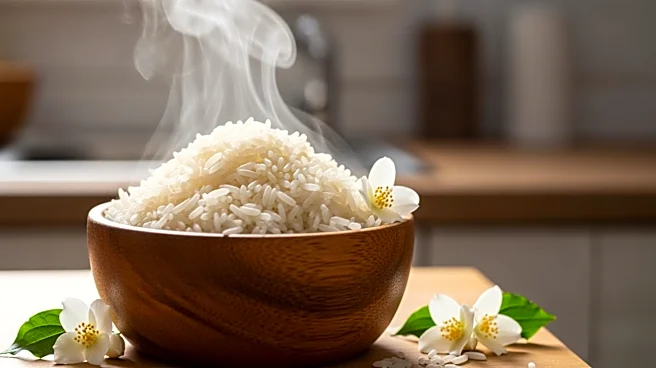

Jasmine rice, with its fragrant aroma and slightly sweet flavor, has become a beloved ingredient in kitchens around the world. Originating from Southeast Asia, this long-grain rice variety is celebrated
for its unique qualities that enhance a wide range of dishes. Its global popularity is a testament to its versatility and appeal, making it a staple in many culinary traditions.
Worldwide Popularity
Jasmine rice is a favorite in many countries, particularly in Southeast Asia, where it is a staple in Thai, Vietnamese, and Cambodian cuisine. Its aromatic qualities and soft texture make it an ideal accompaniment to a variety of dishes, from stir-fries to soups. The rice's ability to complement diverse flavors has contributed to its widespread adoption in international cuisine.
In addition to its popularity in Asia, jasmine rice has gained a following in North America and Europe. Its unique aroma and flavor profile have made it a popular choice in fusion cuisine, where chefs experiment with combining different culinary traditions. The rice's versatility allows it to be used in both traditional and modern dishes, appealing to a wide range of palates.
Culinary Uses
Jasmine rice is often served steamed, providing a fragrant and flavorful base for meals. Its slightly sticky texture makes it suitable for dishes where the rice needs to hold together, such as sushi or rice balls. The rice's aroma enhances the overall dining experience, making it a preferred choice for dishes that benefit from its subtle scent.
In Thai cuisine, jasmine rice is commonly paired with grilled, fried, or braised foods, adding a touch of sweetness to balance spicy or savory flavors. When cooked slightly drier, jasmine rice can be used in soups, providing a comforting and aromatic addition to the dish. Its versatility extends to desserts, where jasmine rice can be used in sweet rice puddings or other treats.
Cultural Significance
Jasmine rice holds cultural significance in the regions where it is grown, often associated with traditional meals and celebrations. In Thailand, jasmine rice is considered a symbol of hospitality and is frequently served to guests as a gesture of welcome. Its presence in cultural rituals and ceremonies underscores its importance in Southeast Asian society.
The global popularity of jasmine rice reflects its ability to transcend cultural boundaries, offering a sensory experience that is appreciated by people from diverse backgrounds. As a culinary staple, jasmine rice continues to inspire chefs and home cooks alike, showcasing its unique qualities in dishes around the world.