

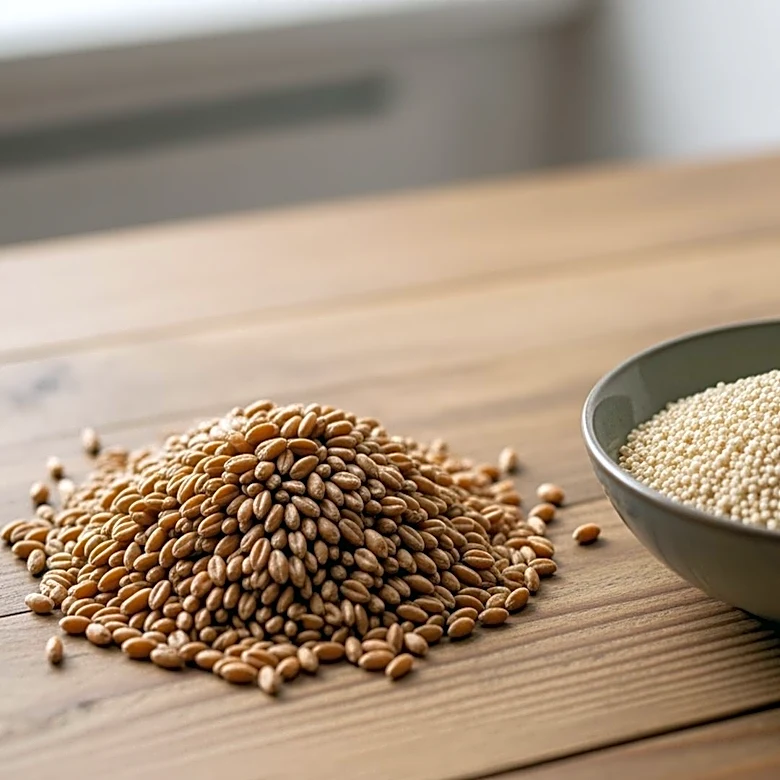



A gluten-free diet is a nutritional plan that excludes gluten, a protein found in wheat, barley, rye, and their derivatives. This diet is primarily used to manage celiac disease, non-celiac gluten sensitivity, and wheat allergies. While it is essential for those with gluten-related disorders, the diet has also gained popularity among people without these conditions, often as a lifestyle choice. Understanding the gluten-free diet involves exploring
its purpose, the foods it includes and excludes, and its potential health implications.
Purpose of the Gluten-Free Diet
The primary purpose of a gluten-free diet is to manage symptoms and prevent complications in individuals with gluten-related disorders. Celiac disease, for instance, is an autoimmune condition where ingestion of gluten leads to damage in the small intestine. For these individuals, a strict gluten-free diet is the only effective treatment. Non-celiac gluten sensitivity, while not as well understood, also requires the elimination of gluten to alleviate symptoms such as abdominal pain, bloating, and fatigue.
Wheat allergy is another condition that necessitates a gluten-free diet. Unlike celiac disease and non-celiac gluten sensitivity, wheat allergy involves an allergic reaction to proteins found in wheat, which can lead to symptoms ranging from mild to severe, including anaphylaxis. For those with wheat allergy, avoiding wheat and gluten-containing grains is crucial to prevent allergic reactions.
Foods Included and Excluded
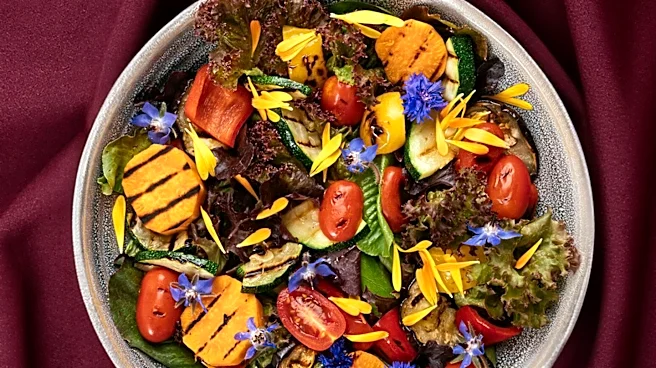
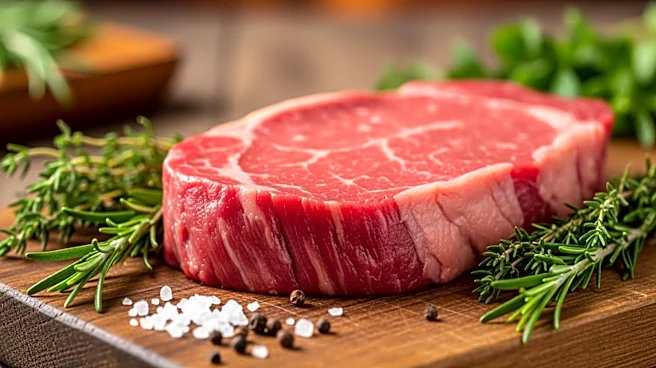
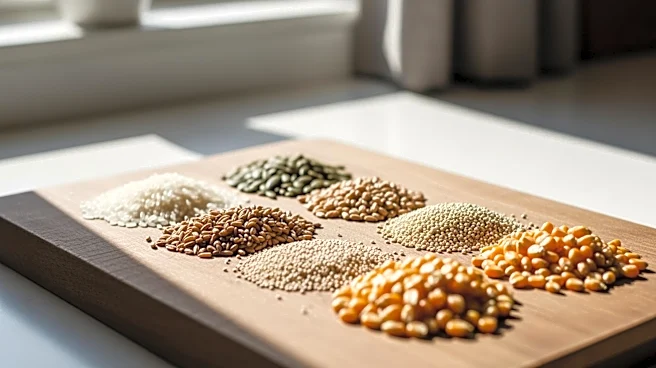
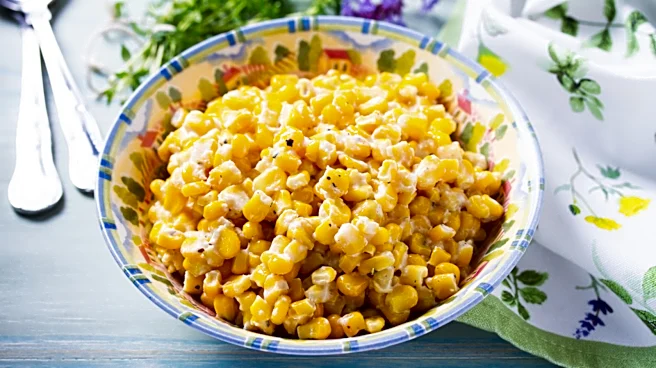
A gluten-free diet includes naturally gluten-free foods such as meat, fish, eggs, dairy products, fruits, vegetables, legumes, nuts, and certain grains like rice and corn. Pseudocereals such as quinoa, amaranth, and buckwheat are also suitable alternatives that provide adequate nutrition. Gluten-free processed foods are available, but they may not always be as enriched or fortified as their gluten-containing counterparts.
Foods that must be avoided on a gluten-free diet include those containing wheat, barley, rye, and derivatives like malt and triticale. Oats are often excluded due to potential cross-contamination with gluten-containing grains, although pure, uncontaminated oats may be tolerated by some individuals. Processed foods often contain gluten as an additive, so careful label reading is necessary to avoid inadvertent gluten consumption.
Health Implications
While a gluten-free diet is essential for managing gluten-related disorders, it can lead to nutritional deficiencies if not carefully planned. Replacing gluten-containing grains with gluten-free alternatives may result in a lower intake of important nutrients such as iron and B vitamins. Some gluten-free products are higher in sugars and fats, which can contribute to an unbalanced diet.
For individuals without gluten-related disorders, adopting a gluten-free diet may not offer health benefits and could lead to unnecessary dietary restrictions. It is important for anyone considering a gluten-free diet to consult with a healthcare professional or registered dietitian to ensure nutritional needs are met and to avoid potential health risks.