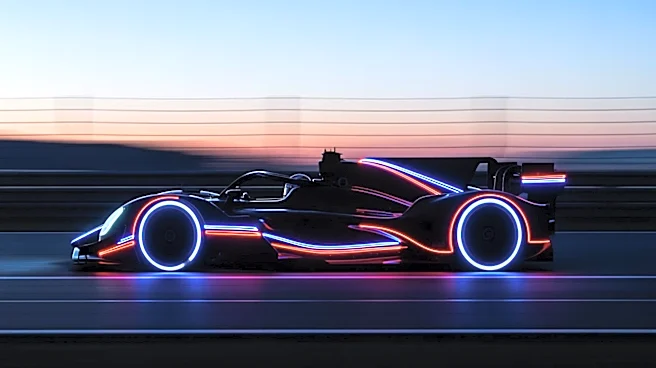










Super Formula Lights is a key component of the Japanese motorsport ecosystem, serving as a vital feeder series for the prestigious Super Formula Championship. This series provides a platform for emerging talent to hone their skills and gain the experience necessary to compete at higher levels. By examining its structure and purpose, we can appreciate its significance in the development of racing drivers in Japan.
A Stepping Stone for Aspiring Drivers
Super Formula Lights is designed to
bridge the gap between junior racing categories and the top-tier Super Formula Championship. It offers young drivers the opportunity to compete in a highly competitive environment, using equipment that closely resembles that of higher-level series. The use of Dallara chassis, Toyota-TOM'S engines, and Kumho tires ensures that participants gain valuable experience with high-performance machinery.
The series' alignment with the Euroformula Open Championship further enhances its role as a developmental platform. By sharing a single specification rule set, Super Formula Lights provides a consistent and challenging environment for drivers to develop their skills. This consistency is crucial for preparing drivers for the demands of the Super Formula Championship, where precision and adaptability are key.
Competitive Structure and Achievements
The competitive nature of Super Formula Lights is evident in its structure and the achievements of its participants. The series attracts top teams and drivers, creating a highly competitive field. This competition is essential for driver development, as it pushes participants to continually improve and adapt to new challenges.
Recent champions, such as Yuto Nomura and the B-Max Racing Team, exemplify the level of talent and dedication present in the series. These achievements not only highlight the competitive nature of Super Formula Lights but also underscore its importance as a proving ground for future stars of Japanese motorsport.
Impact on Japanese Motorsport
Super Formula Lights plays a crucial role in the broader landscape of Japanese motorsport. By providing a clear pathway for young drivers to progress to the Super Formula Championship, it ensures a steady influx of talent into the top levels of racing. This pathway is essential for maintaining the competitiveness and appeal of Japanese motorsport on the global stage.
In conclusion, Super Formula Lights is more than just a racing series; it is a vital component of the Japanese motorsport ecosystem. By nurturing young talent and providing a platform for development, it ensures the continued success and growth of racing in Japan. As a feeder series for the Super Formula Championship, it remains an indispensable part of the journey for aspiring racing drivers.