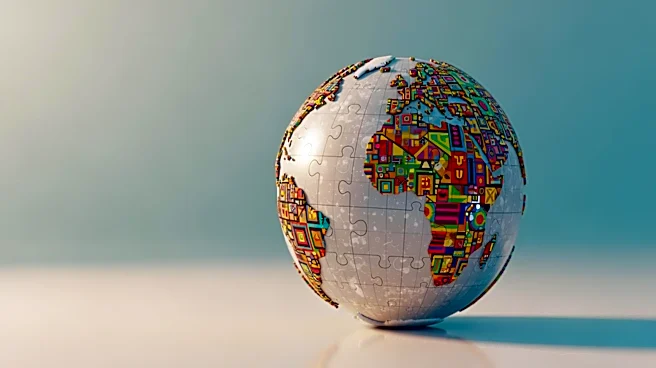







Open Educational Resources (OER) have transformed the landscape of education by providing free and accessible teaching, learning, and research materials. This movement has evolved significantly since its inception, driven by the need to make education more accessible and adaptable to diverse learning environments. This article explores the historical development of OER, highlighting key milestones and the impact of various initiatives.
Early Beginnings and Conceptualization
The concept
of open educational resources began to take shape in the late 20th century, influenced by the broader open knowledge and open-source movements. The idea was to create educational materials that could be freely accessed, modified, and shared by anyone. This was a response to the growing demand for more inclusive and flexible educational resources that could cater to a diverse range of learners.
In 2002, the term "Open Educational Resources" was officially coined at a UNESCO forum on Open Courseware. This marked a significant turning point, as it provided a formal definition and framework for what OER could encompass. The forum emphasized the importance of making educational resources available in the public domain or under open licenses, allowing for no-cost access and the ability to adapt and redistribute materials.
Key Milestones in the OER Movement
One of the most notable milestones in the OER movement was the launch of the MIT OpenCourseWare project in 2001. This initiative aimed to make the entire course catalog of the Massachusetts Institute of Technology available online for free. It set a precedent for other institutions and sparked a global movement towards open access to educational content.
Following MIT's lead, other significant projects emerged, such as Connexions (now OpenStax) at Rice University, which provided a platform for creating and sharing educational content. The Creative Commons licenses, introduced in 2002, also played a crucial role by offering a standardized way to license educational materials openly.
In 2012, the first World OER Congress was held in Paris, resulting in the Paris OER Declaration. This declaration reaffirmed the commitment of international organizations and governments to promote open licensing and the free sharing of publicly funded educational content.
The Impact and Future of OER
The impact of OER has been profound, offering expanded access to learning and significant cost savings for students and educators. By providing free and adaptable resources, OER has helped to remove barriers to education and fostered a culture of collaboration and innovation in teaching practices.
Looking ahead, the future of OER is promising, with ongoing efforts to integrate open educational practices into mainstream education. As technology continues to evolve, OER is expected to play an increasingly vital role in supporting lifelong learning and ensuring that education remains accessible to all, regardless of geographic or economic constraints.