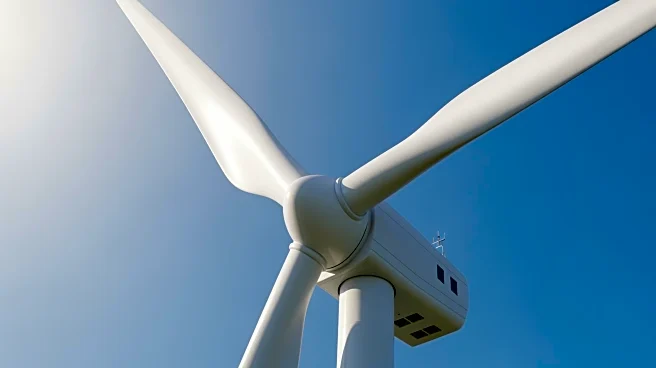

Wind power is a key component of the United States' renewable energy strategy, supported by a robust regulatory framework and various incentives. This article provides an overview of the regulations and incentives that
govern wind power development in the U.S., highlighting federal oversight and tax incentives.
Federal Oversight and Environmental Assessments
The development of wind power in the U.S. is subject to federal oversight, particularly concerning environmental impacts. Environmental assessments are routinely conducted for wind farm proposals to evaluate potential impacts on local environments, including plants, animals, and soils. These assessments ensure that turbine locations and operations are modified as needed to avoid or minimize impacts on threatened species and their habitats.
The Bureau of Land Management (BLM) plays a significant role in managing federal lands where many wind projects are proposed. The BLM is tasked with increasing renewable energy production on federal lands, aligning with national goals to expand clean energy sources. This includes setting targets for wind, solar, and geothermal energy projects.
Tax Incentives and Financial Support
To encourage the development of wind power, the U.S. government offers various tax incentives and financial support mechanisms. These incentives are designed to make wind power projects more economically viable and attractive to investors. One of the key incentives is the Production Tax Credit (PTC), which provides a per-kilowatt-hour tax credit for electricity generated by wind power.
Additionally, the Investment Tax Credit (ITC) offers a tax credit based on the capital investment in wind power projects. These financial incentives have been instrumental in driving the growth of wind power capacity in the U.S., making it one of the lowest-cost electricity sources per unit of energy produced.
Challenges and Future Directions
Despite the supportive regulatory framework, wind power development faces challenges, including opposition from local communities concerned about visual impacts and potential effects on wildlife. To address these concerns, developers often engage in community consultations and implement measures to mitigate environmental impacts.
Looking ahead, the U.S. aims to continue expanding its wind power capacity to meet climate goals and reduce reliance on fossil fuels. This will require ongoing collaboration between federal agencies, state governments, and private developers to ensure that wind power projects are developed sustainably and responsibly.
In conclusion, the regulatory framework and incentives for wind power in the U.S. have been crucial in promoting its growth. As the country continues to transition to cleaner energy sources, wind power will play an increasingly important role in the national energy landscape.