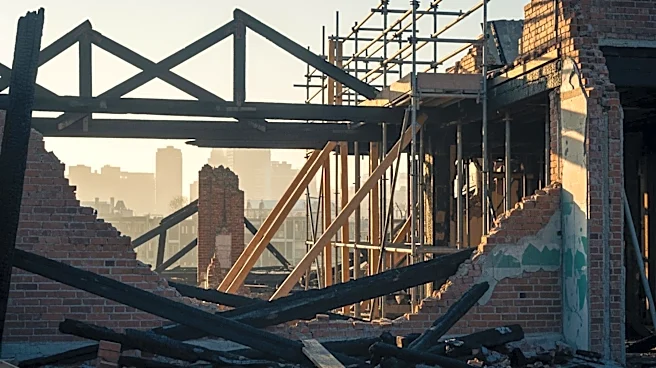






The Great Atlanta Fire of 1917 was a devastating event that left a significant mark on the city. In the wake of the fire, which destroyed 1,938 buildings and displaced over 10,000 people, Atlanta faced the daunting task of rebuilding. The fire not only reshaped the city's physical landscape but also prompted changes in building regulations and urban development.
Immediate Responses and Ordinances
In the immediate aftermath of the fire, Atlanta's city officials took swift action to prevent
a similar disaster from occurring in the future. Recognizing that more than 85% of the destroyed buildings had wood shingles, the city quickly passed an ordinance banning their use in new construction. This move was aimed at reducing the risk of future fires spreading as rapidly as the 1917 blaze.
By 1931, all older buildings in the city had replaced their wood shingles, marking a significant shift in building practices. This change was part of a broader effort to modernize the city's infrastructure and ensure the safety of its residents. The fire also highlighted the need for improved fire-fighting capabilities, leading to investments in better equipment and training for the city's fire department.
Urban Development and Housing
The rebuilding process in Atlanta was sporadic, with large areas remaining undeveloped for years after the fire. However, commercial strips were quickly constructed along the destroyed portions of Edgewood and Auburn, where busy streetcar routes ran. These new developments helped to revitalize the city's economy and provided much-needed commercial space for businesses.
In the residential areas, the fire led to significant changes in the character of neighborhoods. Along Boulevard, where large estates with spacious front yards once stood, dozens of two- and three-story apartment buildings were constructed. These new buildings hugged the sidewalk, reflecting a shift towards denser urban living.
Long-Term Impact on the City
The Great Atlanta Fire of 1917 had a lasting impact on the city's development. The fire prompted a reevaluation of urban planning and building practices, leading to a more modern and resilient city. The areas affected by the fire saw a transformation in their character, with new housing developments and commercial spaces emerging in the years that followed.
The fire also served as a catalyst for change in Atlanta's approach to urban development. The city's leaders recognized the importance of planning for the future and ensuring that the city's infrastructure could support its growing population. This forward-thinking approach laid the groundwork for Atlanta's continued growth and development in the decades to come.
In the years following the fire, Atlanta emerged as a more modern and resilient city, with a renewed focus on safety and urban planning. The Great Atlanta Fire of 1917 was a turning point in the city's history, shaping its development and setting the stage for its future growth.