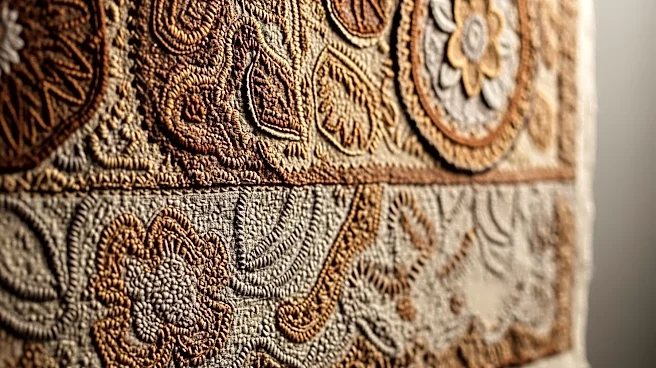

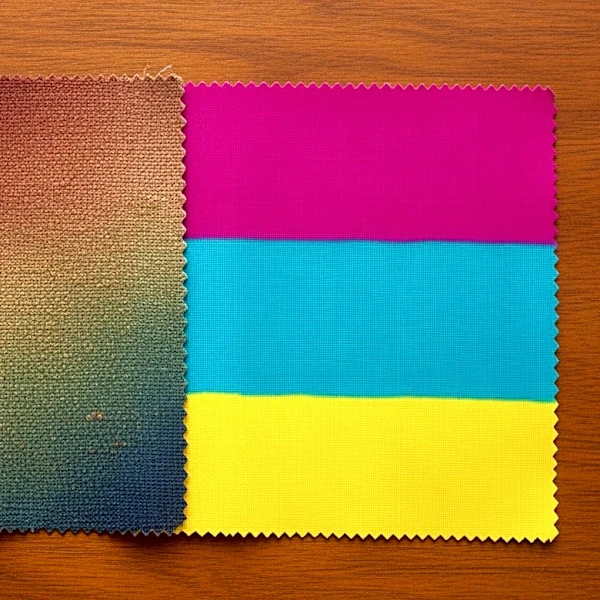

Appliqué is a decorative sewing technique that has been used for centuries to enhance garments and textiles. This ornamental needlework involves sewing or sticking pieces of fabric onto a larger piece to create pictures or patterns. The technique, which can be done by hand or machine, has evolved over time and has been embraced by various cultures around the world. From its humble beginnings as a method to repair worn clothing, appliqué has grown
into a respected art form with rich historical roots.
Origins and Early Uses
The term appliqué comes from the Latin word "applicō," meaning "I apply," and the French "appliquer," meaning "attach." Initially, appliqué was used to strengthen worn areas of clothing or patch holes, extending the life of garments. This practical application gradually transformed into an artistic technique, as people began to use it to create decorative patterns on blankets and quilts.
Archaeologists have found ancient examples of appliqué in Egypt, dating back to 980 BCE, where leather was used to decorate textiles. In Siberia and Mongolia, leather and felt appliqués were discovered on carpets, wall hangings, and saddle covers from the 4th century BCE. These findings highlight the widespread use of appliqué across different cultures and time periods.
Cultural Significance
Appliqué has played a significant role in various cultural traditions. In Benin, West Africa, appliquéd cloth is an important art form, particularly around Abomey, where it has been a tradition since the 18th century. The technique is also prevalent in Scandinavia, Russia, and Eastern Europe, where leather appliqué is used to embellish garments.
In India, Pakistan, and Morocco, men's clothing and leather slippers are often decorated with embroidery and leather appliqué. Felt appliqué is used to add embellishments to women's aprons in Eastern Europe, and among the nomadic tribes of Central Asia, it is used to decorate yurts, floor coverings, and bags. These cultural practices demonstrate the versatility and adaptability of appliqué as an art form.
Evolution and Modern Applications
Over time, appliqué has evolved to include various techniques and materials. In quilting, it is used extensively, with traditional American quilt blocks like "Dresden Plate" and "Sunbonnet Sue" incorporating both patchwork and appliqué. Modern consumer embroidery machines have made it easier to create appliqué designs, allowing for precise stitching and intricate patterns.
Appliqué lace, a variation of the technique, involves attaching lace motifs to fabrics, adding a delicate and elegant touch to garments. This form of appliqué is often used in wedding dresses, showcasing its continued relevance in contemporary fashion.
Appliqué remains a beloved technique in the world of textiles, celebrated for its ability to transform simple fabrics into works of art. Its rich history and cultural significance continue to inspire artists and crafters around the globe.