



The origins of COVID-19 have been a subject of intense debate and investigation since the pandemic began. Initially, the virus was thought to have originated from a natural source, with scientific consensus favoring a zoonotic spillover from bats. However, over time, various theories have emerged, including the controversial lab leak theory. This article explores the evolution of these theories and the ongoing efforts to determine the true origins of the virus.
Early Theories and Scientific Consensus
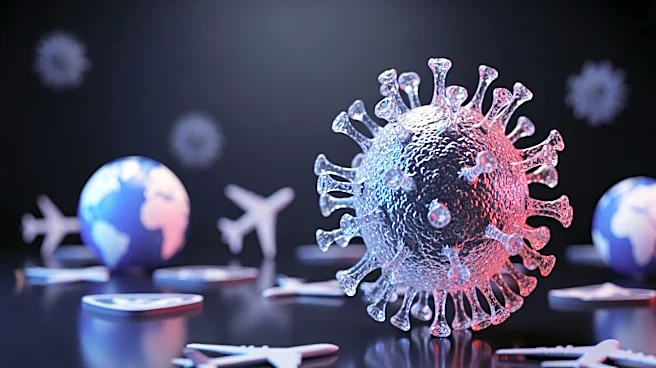
From the onset of the pandemic, scientists and researchers have worked tirelessly to trace the origins of SARS-CoV-2, the virus responsible for COVID-19. The prevailing theory was that the virus originated from bats and was transmitted to humans through an intermediate host, possibly at a wildlife market. This zoonotic spillover theory was supported by genomic sequence evidence and the historical precedent set by the SARS-CoV-1 outbreak.
The World Health Organization (WHO) and independent researchers conducted investigations to trace the virus's origins, emphasizing the likelihood of a natural source. Despite extensive research, no conclusive determination has been made regarding the specific geographic and taxonomic origins of the virus. The WHO's Scientific Advisory Group for the Origins of Novel Pathogens concluded that a zoonotic origin had the weight of available evidence, although the origin remains unresolved without additional primary data.
The Emergence of the Lab Leak Theory
As the pandemic progressed, alternative theories began to gain traction, most notably the lab leak theory. This theory posits that the virus may have accidentally escaped from a laboratory, such as the Wuhan Institute of Virology, where coronaviruses are studied. The lab leak theory gained attention due to the proximity of the outbreak to the institute and reports of biosafety concerns at Wuhan laboratories.
The lab leak theory has been met with skepticism by the scientific community, as there is no evidence supporting laboratory involvement, and the virus's genetic makeup does not suggest artificial manipulation. Despite this, the theory has been endorsed by some political figures and intelligence agencies, leading to diplomatic tensions between the United States and China.
Ongoing Investigations and Diplomatic Implications
Efforts to determine the origins of COVID-19 continue, with investigations facing challenges such as restricted access to early patient records and laboratory documentation. The WHO has called for transparency and cooperation from China, urging the release of additional data to resolve the origins of the virus.
The debate over the virus's origins has had significant diplomatic implications, with the United States and China exchanging accusations. The U.S. administration has taken a definitive stance, endorsing the lab leak theory, while China has released a white paper suggesting the virus may have originated in the United States.
The quest to uncover the origins of COVID-19 remains a complex and politically charged issue, with scientific investigations ongoing and international relations strained.