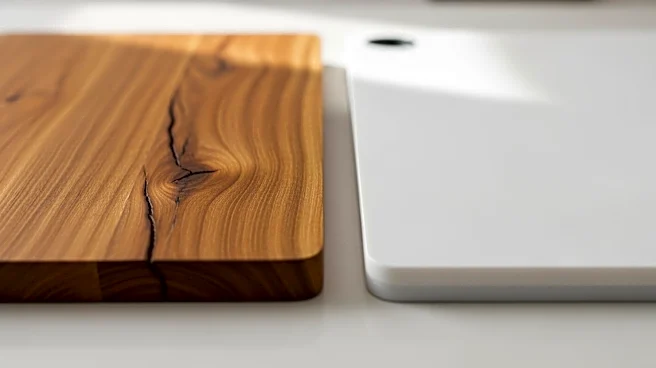




Selecting the right cutting board is crucial for both the longevity of your kitchen tools and the safety of your food. With a variety of materials available, each offering distinct advantages and disadvantages, it can be challenging to decide which cutting board best suits your needs. This article explores the different materials used for cutting boards and provides tips on how to maintain them for optimal performance.
Wood: A Classic Choice
Wooden cutting boards have long
been a favorite among chefs and home cooks alike. Known for their durability and natural antiseptic properties, wood boards are often made from hardwoods like birch, maple, and teak. These woods are chosen for their tight grains and small pores, which help minimize scoring and liquid absorption.
To maintain a wooden cutting board, regular oiling with food-grade mineral oil is recommended. This helps prevent the board from drying out and cracking. Wooden boards should never be submerged in water or placed in a dishwasher, as this can cause warping. Instead, they should be cleaned with mild soap and water and allowed to dry completely before storage.
Plastic: Easy to Clean
Plastic cutting boards, typically made from polyethylene, are popular for their ease of cleaning and affordability. Unlike wood, plastic boards can be washed in a dishwasher, making them a convenient option for busy kitchens. However, plastic lacks the natural antiseptic properties of wood, so thorough cleaning is essential to prevent bacterial growth.
While plastic boards are less likely to harbor bacteria, they can become deeply scored over time, creating grooves that trap food particles and bacteria. When a plastic board becomes heavily scored, it is best to replace it to ensure food safety.
Bamboo and Other Materials
Bamboo cutting boards offer a sustainable alternative to traditional wood and plastic. Known for their hardness and resistance to knife scarring, bamboo boards are less porous, making them more resistant to bacteria. However, like wood, bamboo boards require regular oiling to maintain their condition.
Other materials, such as glass and steel, are also used for cutting boards. While these materials are easy to clean and sanitize, they can quickly dull knife blades and are not recommended for regular use. Silicone boards, on the other hand, offer a soft surface that is gentle on knives and provides self-healing properties similar to wood.
Choosing the right cutting board depends on your specific needs and preferences. Whether you prioritize ease of cleaning, durability, or sustainability, understanding the characteristics of each material can help you make an informed decision. Proper maintenance is key to extending the life of your cutting board, ensuring it remains a reliable tool in your kitchen for years to come.