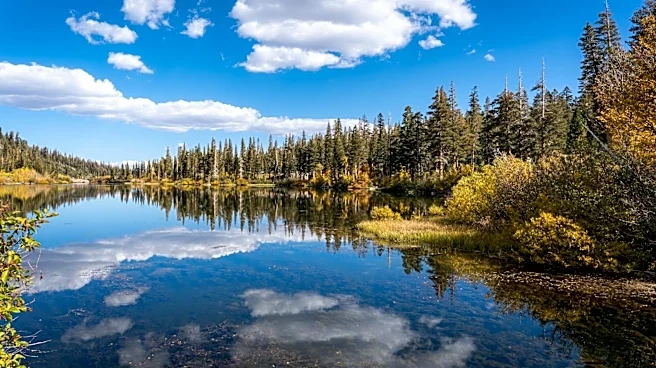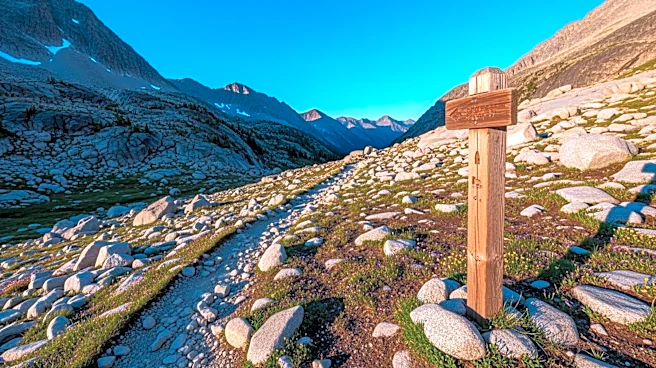

The John Muir Trail is not only a journey through some of the most beautiful landscapes in California but also a test of endurance and preparation. Spanning over 213 miles, the trail presents hikers with
a variety of challenges, from high elevations to unpredictable weather. Successfully navigating these obstacles requires careful planning and a deep respect for the wilderness.
Physical Demands and Elevation
One of the most significant challenges of the John Muir Trail is its elevation change. The trail gains approximately 47,000 feet in elevation, with hikers traversing several mountain passes over 11,000 feet high. The highest point is Mount Whitney, at 14,505 feet, which is also the trail's southern terminus.
Hikers must be prepared for the physical demands of such elevation changes. Acclimatization is crucial, as the trail remains mostly above 8,000 feet. Starting in Yosemite Valley allows hikers to gradually adjust to the altitude, reducing the risk of altitude sickness. The trail's rugged terrain and steep inclines require physical fitness and endurance, making it essential for hikers to train adequately before embarking on the journey.
Weather and Seasonal Considerations
The hiking season for the John Muir Trail typically runs from July to September, when snow from the previous year has melted, and new snow has yet to fall. However, hikers must still contend with afternoon thunderstorms and chilly nights, which can add to the trail's challenges.
Early season hikers face additional obstacles, such as icy slopes and streams swollen with snowmelt. These conditions require careful navigation and appropriate gear, including waterproof clothing and sturdy footwear. Later in the season, the weather is generally more favorable, but hikers should remain vigilant and prepared for sudden changes.
Logistics and Permits
Logistical planning is a crucial aspect of hiking the John Muir Trail. A permit is required, which can be obtained from the national park or forest where the hike begins. These permits are available 168 days in advance, but competition is fierce, especially for popular starting points like Yosemite Valley.
Resupply points along the trail, such as Tuolumne Meadows and Muir Trail Ranch, help hikers manage their food and gear. Bear canisters are mandatory to protect food from black bears, which are common in the region. Proper planning ensures that hikers can focus on the trail's beauty and challenges without being hindered by logistical issues.