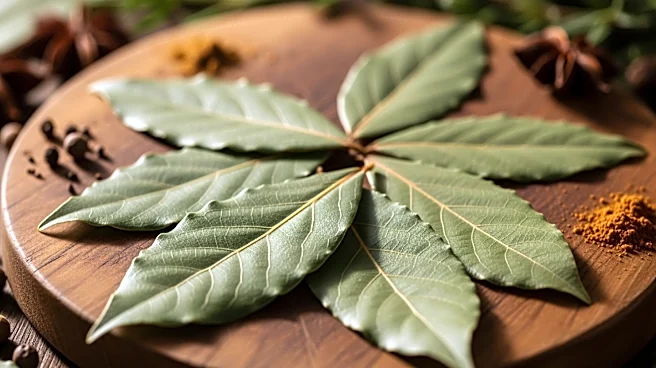

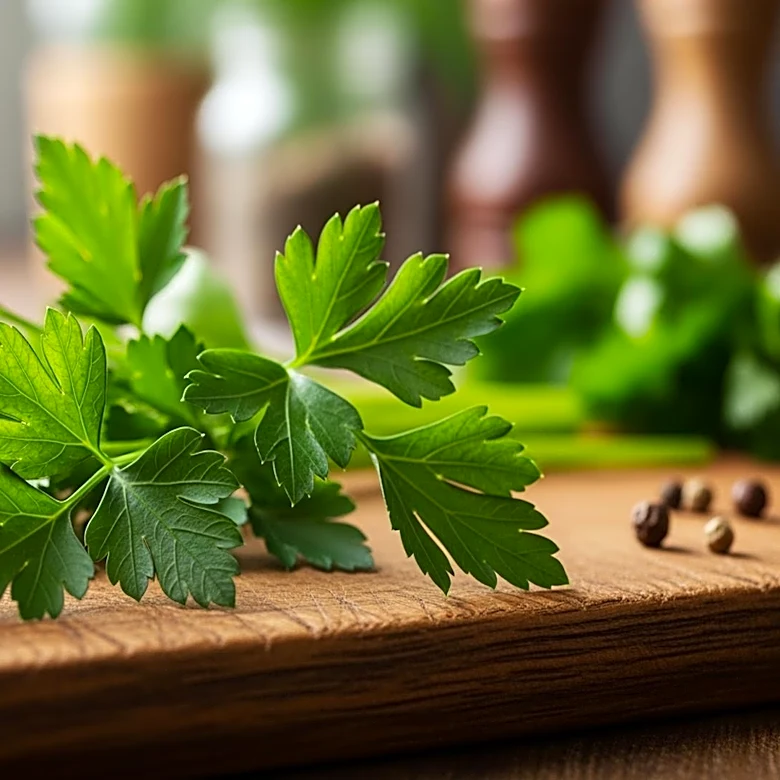

Bay leaves are a culinary staple that transcends borders, finding a place in kitchens across the globe. From the Mediterranean to Asia and the Americas, these aromatic leaves are used to enhance the flavor of a wide variety of dishes. This global journey explores how different cultures incorporate bay leaves into their culinary traditions, highlighting their versatility and universal appeal.
Mediterranean and European Traditions
In Mediterranean and European cuisines, bay leaves are a fundamental
ingredient, often used to flavor soups, stews, and sauces. The ancient Greeks were among the first to use bay leaves for culinary purposes, a tradition that has persisted through the ages. In French and Italian cooking, bay leaves are a key component in many classic dishes, providing a subtle yet distinct aroma that complements the rich flavors of the region.
Bay leaves are typically used whole in these cuisines and are removed before serving to avoid any digestive discomfort. They are often included in a bouquet garni, a bundle of herbs used to infuse flavor into dishes during cooking. This method allows the leaves to impart their aroma without overpowering the other ingredients, showcasing their ability to enhance rather than dominate a dish.
Asian and Indian Culinary Uses
Bay leaves also play a significant role in Asian cuisines, particularly in Thai and Laotian dishes. In these regions, bay leaves are used in a few Arab-influenced recipes, such as massaman curry, where they contribute to the dish's rich, complex flavor profile. The leaves are typically used whole and removed before serving, ensuring that their aroma is present without being intrusive.
In Indian cuisine, bay leaves are sometimes used as a substitute for the Indian bay leaf, which has a different flavor profile. They are commonly used in rice dishes like biryani and as an ingredient in garam masala, a spice blend that adds warmth and depth to various dishes. This versatility allows bay leaves to be used in both savory and sweet preparations, highlighting their adaptability in different culinary contexts.
The Americas and Caribbean Flavors
In the Americas, bay leaves are a fixture in many traditional dishes. They are used to flavor soups, stews, and meat dishes, providing a subtle yet distinct aroma. In the Caribbean, bay leaves are an essential component of jerk chicken, where they are soaked and placed on the grill to infuse the meat with their unique flavor.
Bay leaves are also used in desserts, such as cakes and ice creams, where they are tempered in fats like milk or butter to release their flavor compounds. This versatility makes bay leaves a valuable ingredient in both savory and sweet dishes, highlighting their importance in global culinary traditions.