








The Balkan Mountains, a prominent mountain range in southeastern Europe, have played a crucial role in shaping the geography and culture of the Balkans. Stretching from the border between Bulgaria and Serbia to the Black Sea, these mountains have served as a natural barrier and a source of cultural identity for the people living in the region. Known as Stara Planina in Bulgarian and Serbian, meaning 'old mountain,' the range has influenced the historical
and cultural development of the Balkans for centuries.
Geographical Significance
The Balkan Mountains are a chain of fold mountains, formed by the compression and breaking of rock layers. They are part of the larger Alp-Himalayan chain that stretches across Eurasia. The range is divided into two main parts: the main Balkan Chain and the Pre-Balkans to the north. The mountains serve as a natural barrier, separating the northern and southern parts of Bulgaria and influencing the climate and biodiversity of the region.
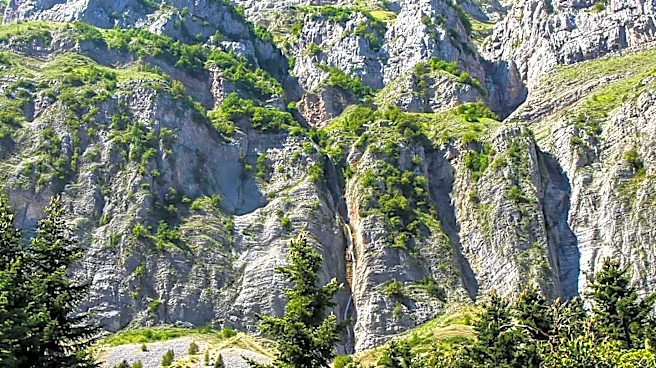
The highest peak in the Balkan Mountains is Botev Peak, standing at 2,376 meters. The range is also home to the highest waterfall in the Balkans, Raysko Praskalo, which is 124.5 meters tall. The rugged terrain of the mountains includes numerous gorges, cliffs, and caves, making it a region of significant natural beauty and ecological importance.
Cultural and Historical Impact
The Balkan Mountains have been a significant cultural and historical landmark for the people of the region. Throughout history, they have served as a refuge for various tribes and groups, including the ancient Thracians and later the Slavs. The mountains have also been a site of numerous battles and conflicts, particularly during the Byzantine and Ottoman periods.
The name 'Balkan' itself is believed to have been brought to the region by the Ottoman Turks, although it may have ultimately derived from the Persian word 'bālkāneh,' meaning 'high, above, or proud house.' The mountains have been a symbol of resistance and resilience for the people living in the Balkans, representing both a physical and cultural barrier against external influences.
Biodiversity and Conservation
The Balkan Mountains are home to a rich diversity of flora and fauna, with several protected areas and national parks established to preserve their unique ecosystems. Central Balkan National Park, for example, is one of the largest protected areas in Europe, known for its ancient beech forests and diverse wildlife.
The mountains are home to many of Europe's large mammals, including the brown bear, wolf, and chamois. The region's flora includes rare and endemic species, such as the edelweiss, which grows in the high-altitude areas of the mountains. Conservation efforts in the Balkan Mountains aim to protect these unique ecosystems and promote sustainable tourism and development in the region.
In conclusion, the Balkan Mountains have played a vital role in shaping the geography, culture, and biodiversity of the Balkans. Their influence can be seen in the region's history, cultural identity, and natural beauty, making them an essential part of the Balkan landscape.