

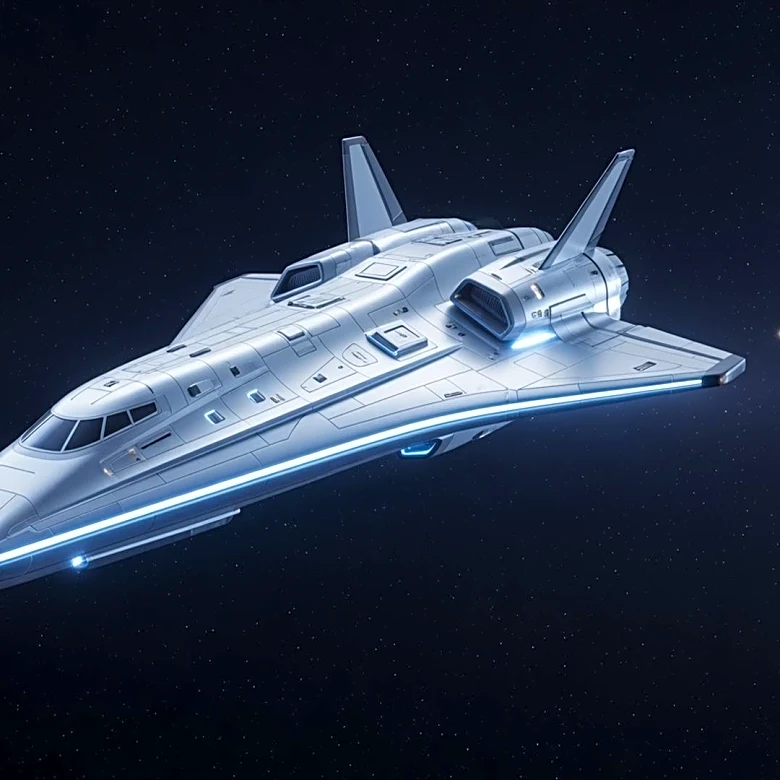





Ranger 4 was a significant milestone in the history of space exploration, marking the first time a U.S. spacecraft reached the Moon. Launched in 1962 as part of the Ranger program, its mission was to capture images of the lunar surface and conduct scientific experiments. Despite its ultimate failure to transmit data back to Earth, Ranger 4's journey provided valuable lessons for future missions.
The Ambitious Goals of Ranger 4
Ranger 4 was designed with several ambitious objectives.
It aimed to transmit pictures of the Moon's surface during its descent, rough-land a seismometer capsule on the lunar surface, and collect gamma-ray data in flight. Additionally, the mission sought to study the radar reflectivity of the Moon and continue testing the Ranger program's capabilities for developing lunar and interplanetary spacecraft. These goals underscored the mission's importance in advancing lunar exploration.
The spacecraft was equipped with a variety of scientific instruments, including a vidicon television camera, a gamma-ray spectrometer, a radar altimeter, and a seismometer. These tools were intended to provide a wealth of data about the Moon's surface and environment. However, a critical onboard computer failure prevented the deployment of the solar panels and navigation systems, leading to the mission's inability to transmit any scientific data back to Earth.
Challenges and Setbacks
Ranger 4 faced significant challenges from the outset. After a successful launch, the spacecraft encountered a major setback when its onboard computer failed. This malfunction disabled the telemetry system and preprogrammed events, such as solar panel deployment, rendering the spacecraft unresponsive to manual commands. As a result, Ranger 4 crashed on the far side of the Moon without fulfilling its primary objectives.
Despite these setbacks, the mission was not without its achievements. Ranger 4 became the first U.S. spacecraft to reach another celestial body and the first of any nation to impact the far side of the Moon. These accomplishments, though overshadowed by the mission's failure to return data, represented a significant step forward in space exploration.
Lessons Learned and Legacy
The Ranger 4 mission provided valuable lessons for future lunar missions. The failure highlighted the importance of reliable onboard systems and the need for rigorous testing and redundancy in spacecraft design. These insights informed subsequent missions, contributing to the eventual success of the Ranger program and other lunar exploration efforts.
While Ranger 4 did not achieve its primary goals, its journey paved the way for future successes in space exploration. The mission's challenges and achievements continue to serve as a reminder of the complexities and uncertainties inherent in exploring the final frontier.