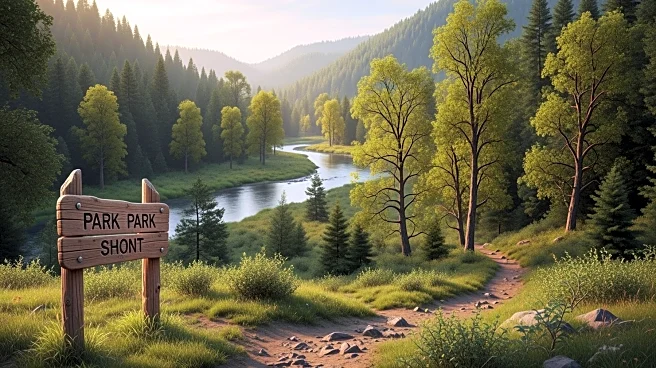




State parks in the United States have a rich history that reflects the country's evolving relationship with nature and conservation. These parks, managed at the state level, serve as protected areas that preserve natural beauty, historical sites, and recreational spaces. The journey of state parks from their inception to their current status is a testament to the growing appreciation for natural preservation and public access to these treasures.
Early Beginnings
The
concept of state parks in the United States began to take shape in the late 19th century. The oldest state park in the country, Niagara Falls State Park in New York, was established in 1885. This park set a precedent for the creation of other state parks, emphasizing the importance of preserving natural wonders for public enjoyment. Prior to this, areas like Yosemite Valley were temporarily managed by states before becoming national parks, highlighting the early efforts to protect significant landscapes.
The establishment of state parks was often driven by the need to protect areas of natural beauty from private exploitation. For instance, the Niagara Falls State Park was created to ensure public access to the falls, which were previously controlled by private interests. This move was part of a broader trend during the late 19th and early 20th centuries, where states began to recognize the value of conserving natural landscapes for future generations.
Expansion and Development
The early 20th century saw a significant expansion in the number of state parks across the United States. By the 1930s, the development of state parks was further accelerated by federal job-creation programs like the Civilian Conservation Corps and Works Progress Administration. These programs not only provided employment during the Great Depression but also facilitated the establishment of around 800 state parks nationwide.
During this period, the focus was on creating parks that offered recreational opportunities while preserving the natural environment. States began to establish parks that catered to a variety of outdoor activities, including hiking, camping, and fishing. This expansion was not just about increasing the number of parks but also about enhancing the quality of visitor experiences through improved facilities and infrastructure.
Modern State Parks
Today, state parks continue to play a crucial role in conservation and recreation. There are over 6,792 state park units in the United States, attracting millions of visitors annually. These parks offer a wide range of activities and amenities, from trails and campsites to educational programs and guided tours.
State parks are managed by individual states, allowing for a diverse range of parks that reflect the unique landscapes and cultural heritage of each region. Some states, like Alaska, boast extensive park systems with vast areas of protected land, while others focus on preserving specific natural or historical sites. The modern state park system is a dynamic and integral part of America's commitment to preserving its natural and cultural resources for public enjoyment and education.