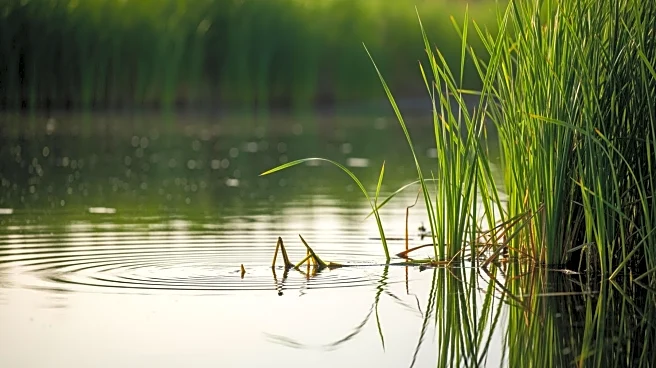




Wetlands in the United States play a crucial role in environmental policy, serving as a focal point for conservation efforts and regulatory frameworks. Defined by federal agencies as areas saturated by water, these ecosystems support vegetation adapted to wet conditions. The importance of wetlands is recognized through various legislative measures aimed at their protection and sustainable use. This article delves into the integration of wetlands into U.S.
environmental policy, highlighting key legislation and conservation strategies.
Federal Legislation and Wetland Protection
In the United States, wetlands are protected under several federal laws, with the Clean Water Act being one of the most significant. This act regulates activities that may impact wetlands, particularly those involving the disposal of dredged or fill materials. The act's enforcement requires a clear definition of what constitutes a wetland, which can be contentious due to the lack of natural boundaries between wetland and upland areas. The U.S. Fish and Wildlife Service defines wetlands as transitional lands between terrestrial and aquatic systems, emphasizing the need for scientifically definable boundaries.
Another critical piece of legislation is the Swampbuster provisions of the Food Securities Act of 1985. This law discourages the conversion of wetlands into agricultural lands by withholding federal farm program benefits from farmers who modify existing wetlands. This provision underscores the federal commitment to maintaining wetland areas and preventing their degradation through agricultural expansion.
International Commitments and Conservation Efforts
The United States is a signatory to the Ramsar Convention, an international treaty dedicated to the conservation and sustainable utilization of wetlands. This commitment reflects the global recognition of wetlands' ecological importance and the need for international cooperation in their preservation. The Ramsar Convention encourages the wise use of wetlands, promoting their conservation as a means to support biodiversity and ecosystem services.
Domestically, the North American Wetlands Conservation Act provides funding for projects aimed at protecting wetland habitats. This act facilitates collaboration between public and private entities, leveraging federal funds to support conservation initiatives across the United States, Canada, and Mexico. These efforts highlight the interconnected nature of wetland ecosystems and the necessity of cross-border cooperation in their management.
Challenges and Future Directions
Despite these legislative frameworks, the United States continues to face challenges in wetland conservation. Determining the boundaries of regulated wetlands remains a contentious issue, often leading to disputes over land use and development. Additionally, the loss of wetlands due to urbanization and climate change poses significant threats to these ecosystems.
Future conservation efforts must address these challenges by enhancing scientific understanding of wetland boundaries and improving regulatory enforcement. Continued investment in wetland restoration and protection, supported by both federal and international initiatives, will be crucial in ensuring the sustainability of these vital ecosystems. As environmental policies evolve, wetlands will remain a key component of the United States' commitment to ecological preservation and biodiversity conservation.