



Iceland's tourism boom has brought significant economic benefits, but it has also led to challenges associated with overtourism. The rapid increase in visitor numbers has put pressure on the country's infrastructure and natural resources, raising concerns about sustainability and the impact on local communities. This article examines the challenges of overtourism in Iceland and explores potential solutions.
The Rise of Overtourism
Overtourism in Iceland is a result of the
dramatic rise in visitor arrivals, particularly concentrated in a small area of the country. Over 98 percent of visitors enter through Keflavik, just 45 minutes from Reykjavik, with many using the city as a short stopover on transatlantic flights. This has led to a concentration of tourists in popular sites like the Blue Lagoon and the Golden Circle.
The influx of tourists has strained local infrastructure, with hotel rooms in Reykjavik struggling to keep pace with demand. Short-term rental platforms like Airbnb have filled the gap, but this has led to increased residential property prices and a shift in downtown amenities towards tourists rather than residents.
Environmental and Social Impacts
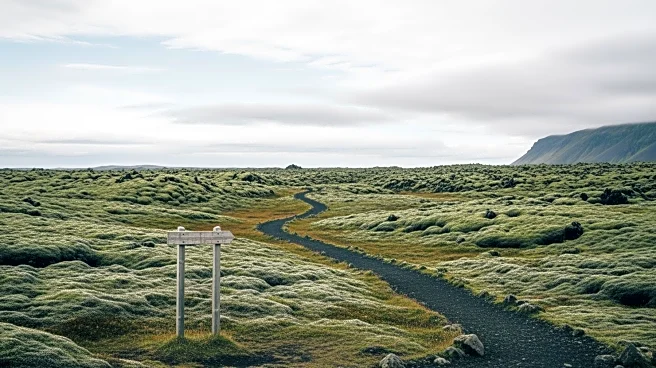
The environmental impact of overtourism is a significant concern in Iceland. Popular hiking trails and roads used by tourist buses are deteriorating, and visitors often damage fragile ecosystems, such as the moss that covers Thingvellir National Park. These issues highlight the need for sustainable tourism practices to protect Iceland's natural beauty.
Socially, overtourism has affected local communities, particularly in Reykjavik. The rise in property prices has pushed local people out of central areas, and the focus on tourism has shifted amenities away from residents. In smaller towns like Akureyri, the economic benefits of increased cruise ship arrivals have not matched expectations, with local businesses seeing only modest increases in revenue.
Addressing the Challenges
Addressing the challenges of overtourism in Iceland requires a multifaceted approach. One potential solution is to promote tourism in less-visited areas of the country, spreading the economic benefits and reducing pressure on popular sites. This could involve developing new attractions and improving infrastructure in these regions.
Sustainable tourism practices are also crucial. This includes implementing measures to protect natural sites, such as limiting visitor numbers and investing in maintenance and conservation efforts. Educating tourists about responsible travel and encouraging off-peak visits can also help mitigate the impact of overtourism.
By addressing these challenges, Iceland can continue to benefit from its thriving tourism industry while preserving its unique natural and cultural heritage for future generations.