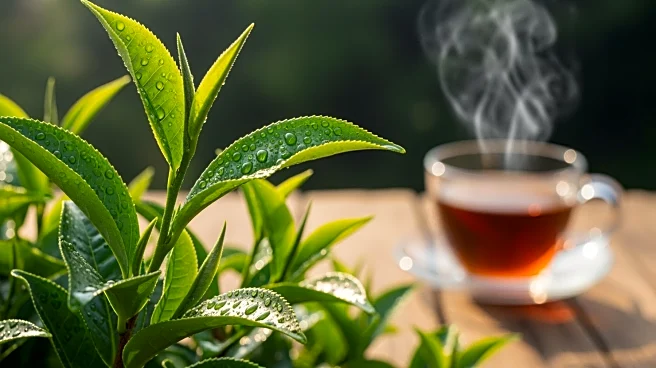

Black tea is a beloved beverage enjoyed by many around the world, known for its robust flavor and rich aroma. But how does it transform from a simple leaf into the comforting drink we know? The journey
of black tea from plant to cup involves a meticulous process that enhances its unique characteristics. This article delves into the steps involved in producing black tea, from harvesting the leaves to the final brewing process.
Harvesting and Withering
The journey of black tea begins with the careful selection and harvesting of leaves from the Camellia sinensis plant. Two main varieties are used: the small-leaved Chinese variety and the large-leaved Assamese variety. Once harvested, the leaves undergo a withering process, where they are spread out and air is blown over them to reduce moisture content. This step is crucial as it prepares the leaves for the subsequent stages of processing.
Withering not only reduces the moisture content but also initiates the breakdown of proteins and the development of flavor compounds. The duration and conditions of withering can significantly influence the final taste of the tea. After withering, the leaves are ready for the next step, which involves rolling and oxidizing.
Rolling and Oxidation
The rolled leaves are then subjected to oxidation, a process that is central to black tea production. During oxidation, the leaves are exposed to air, allowing enzymes to react with oxygen. This reaction changes the chemical composition of the leaves, resulting in the dark color and distinctive flavor of black tea.
The level of oxidation is carefully controlled to achieve the desired flavor profile. For black tea, full oxidation is required, which gives it its characteristic strength and color. The leaves are then dried to halt the oxidation process, locking in the flavors developed during this stage. This drying process is often done using hot air, ensuring the leaves are ready for grading and packaging.
Grading and Brewing
Once dried, the tea leaves are sorted into different grades based on size and quality. Whole-leaf teas are considered the highest quality, while broken leaves and fannings are used for tea bags. The grading process ensures consistency in flavor and quality across different batches of tea.
When it comes to brewing, black tea is typically steeped in hot water for a few minutes. The brewing time and temperature can be adjusted to suit personal preferences, but generally, black tea is brewed at temperatures between 194–208 °F. The result is a rich, flavorful cup of tea that can be enjoyed plain or with milk and sweeteners.
The journey of black tea from plant to cup is a testament to the intricate processes that enhance its flavor and aroma. Each step, from harvesting to brewing, plays a vital role in creating the beloved beverage that many enjoy daily.