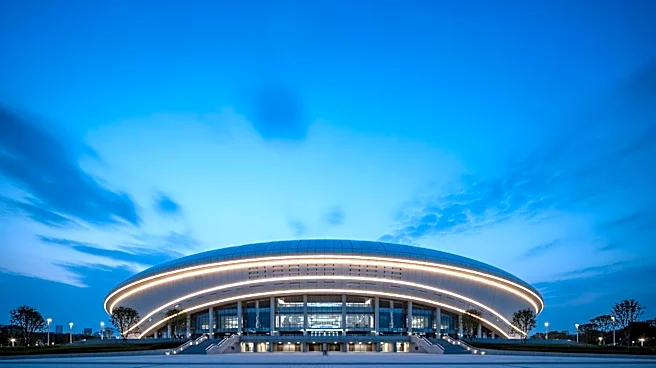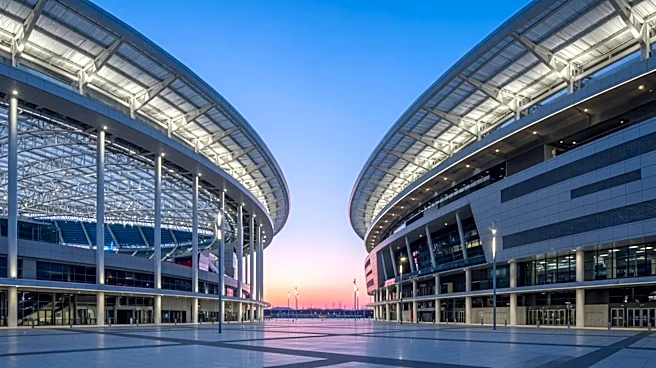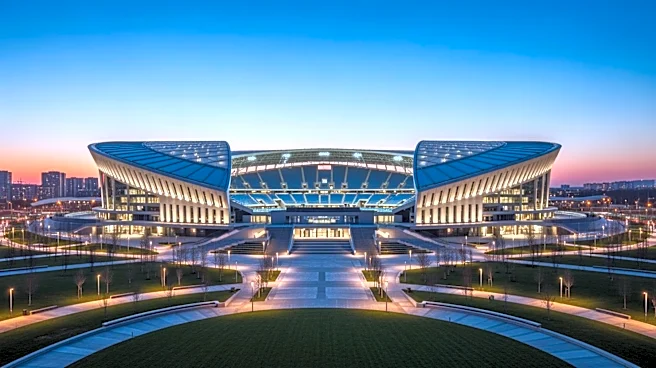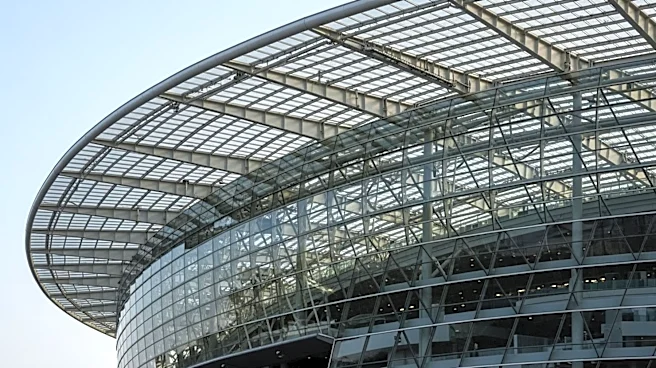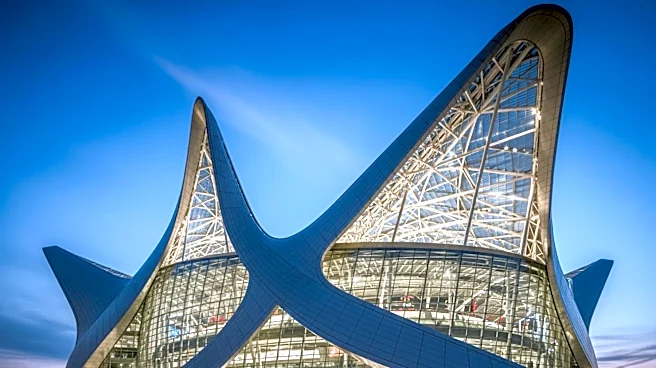




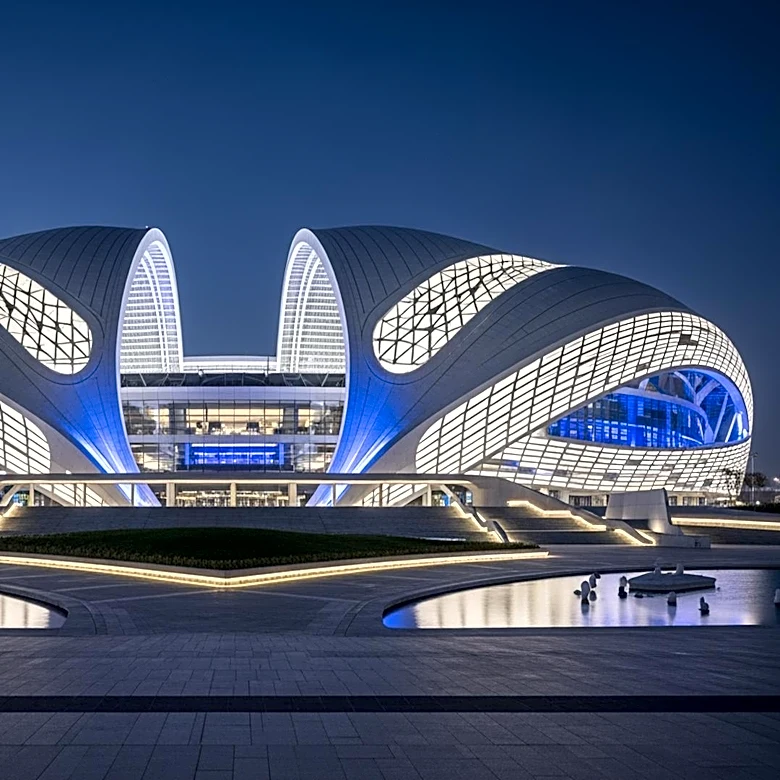
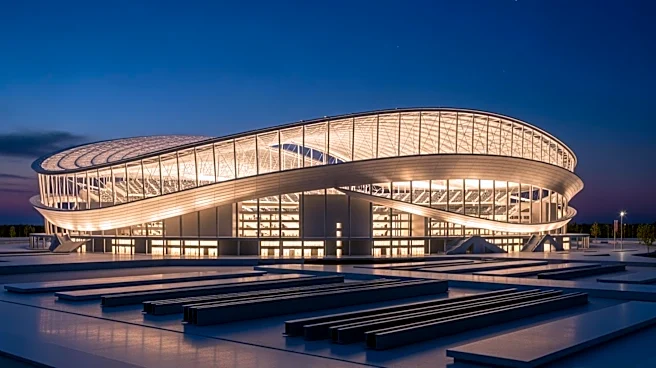


Denka Big Swan Stadium, located in Niigata, Japan, is not just a venue for sports and concerts; it is an architectural marvel. Known for its unique design that resembles the wings of a swan, the stadium stands as a testament to modern engineering and design. This article delves into the architectural features that make Denka Big Swan Stadium a standout structure.
Design and Construction
The Denka Big Swan Stadium was constructed in 2001, specifically for the 2002 FIFA World
Cup. The design of the stadium is inspired by the shape and grace of a swan, which is reflected in its nickname, "Big Swan." The structure's sweeping curves and elegant lines mimic the wings of a swan, creating a visually striking silhouette against the Niigata skyline. The stadium's design not only serves an aesthetic purpose but also enhances the functionality of the venue, providing excellent sightlines for spectators.
The construction of the stadium was a significant undertaking, with costs amounting to 269 million euros. The project was completed in time for the World Cup, showcasing Japan's commitment to hosting a world-class event. The stadium's design and construction were overseen by the renowned architectural firm Nikken Sekkei Co. Ltd., which ensured that the venue met international standards for safety and comfort.
Multifunctional Use
While primarily used for football matches, Denka Big Swan Stadium is a multi-purpose facility. It features a tartan track for athletics, making it suitable for a variety of sporting events. The stadium's versatility is one of its key features, allowing it to host concerts and cultural events in addition to sports. This multifunctionality is a testament to the thoughtful design that went into its construction, ensuring that the venue could serve the community in multiple ways.
The stadium's capacity to hold 42,300 spectators makes it one of the largest in Japan, further enhancing its appeal as a venue for large-scale events. The design incorporates modern amenities and facilities to ensure a comfortable experience for all attendees, whether they are there for a football match or a concert.
Symbolic Significance
Beyond its practical uses, Denka Big Swan Stadium holds symbolic significance for the city of Niigata. The swan, a symbol of grace and beauty, is an apt representation of the city's aspirations and cultural identity. The stadium has become a landmark in Niigata, attracting visitors from around the world and boosting local tourism.
The stadium's name has changed over the years due to sponsorship deals, but its iconic design remains unchanged. It continues to be a source of pride for the residents of Niigata, symbolizing the city's modernity and cultural vibrancy. As a venue, it not only hosts events but also serves as a gathering place for the community, reinforcing its role as a cultural and social hub.