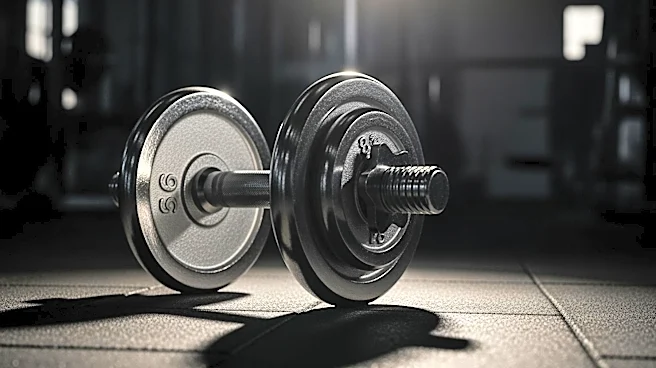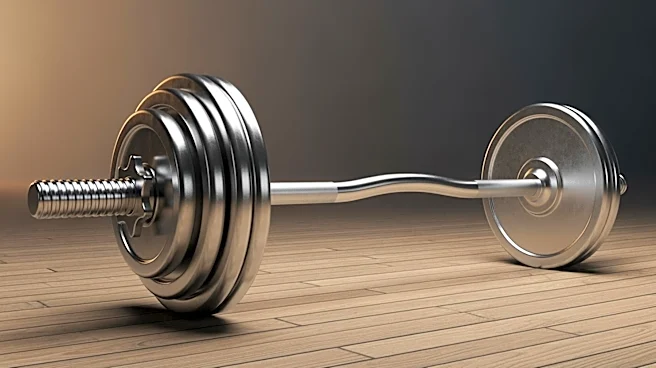








The barbell is a staple in the world of weightlifting and fitness, but its journey to becoming a key piece of exercise equipment is a story of innovation and adaptation. From its early days to its current form, the barbell has undergone significant changes to meet the needs of athletes and fitness enthusiasts. This article delves into the historical development of the barbell, highlighting its evolution and the impact it has had on weightlifting as a sport.
Early Beginnings and Development
The barbell's origins can be traced back to the early 20th century when it began to gain popularity as a tool for strength training. Initially, barbells were simple in design, consisting of a long bar with weights attached at each end. This basic structure allowed for a variety of exercises, making it a versatile piece of equipment for those looking to build strength and muscle.
As the sport of weightlifting grew, so did the demand for more specialized equipment. This led to the development of different types of barbells, each designed to cater to specific lifting techniques and competitions. The introduction of the Olympic barbell, for instance, marked a significant milestone in the evolution of the barbell. With standardized dimensions and weight, the Olympic barbell became the standard for competitive weightlifting events.
Innovations and Advancements
Over the years, the barbell has seen numerous innovations aimed at improving its functionality and safety. One of the key advancements was the introduction of knurled grips, which provide lifters with a better hold on the bar, reducing the risk of slipping during lifts. Additionally, the development of rotating sleeves on the barbell allowed for smoother movements, particularly in exercises like the clean and jerk, where the bar needs to rotate quickly.
Another significant innovation was the creation of bumper plates, which are designed to withstand being dropped from overhead heights. These plates are made of solid rubber, allowing lifters to safely drop the barbell without damaging the floor or the equipment. This advancement has been particularly beneficial in Olympic weightlifting, where dropping the barbell is a common practice.
The Barbell's Impact on Fitness
The barbell's evolution has not only influenced the sport of weightlifting but has also had a profound impact on the broader fitness industry. With its versatility and effectiveness, the barbell has become a central component of strength training programs worldwide. It is used in various fitness disciplines, including bodybuilding, powerlifting, and CrossFit, each utilizing the barbell in unique ways to achieve specific fitness goals.
Today, the barbell continues to be a symbol of strength and fitness, representing the dedication and hard work of athletes and fitness enthusiasts alike. Its evolution reflects the ongoing pursuit of excellence in the world of weightlifting, as well as the continuous innovation that drives the fitness industry forward.