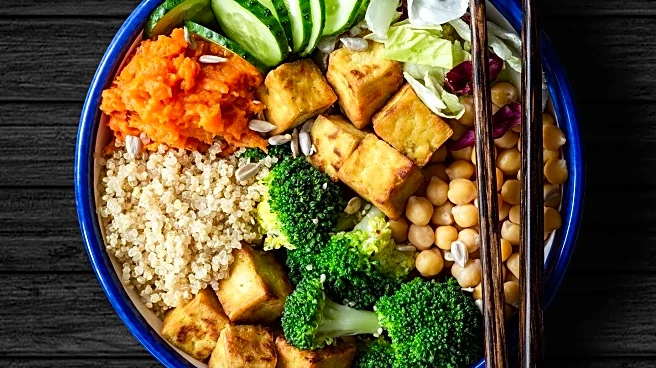




Serving sizes are more than just numbers on a nutrition label; they significantly influence our eating habits and health outcomes. In the United States, serving sizes are carefully regulated, but their impact on consumption patterns is profound. This article explores how serving sizes affect what and how much we eat.
The Psychology of Portion Control
Research has shown that serving sizes can have a powerful effect on how much food people consume. A systematic review of 72 randomized
controlled trials found that people consistently eat more when offered larger portions, packages, or tableware sizes. This phenomenon suggests that larger serving sizes can lead to increased food intake, regardless of hunger levels.
The concept of "unit bias" further explains this behavior. People tend to perceive a portion size as a single serving, even if it is larger than the recommended amount. This bias can lead to overeating, as individuals may not realize they are consuming more than necessary. Understanding this psychological aspect of eating can help in developing strategies to promote healthier eating habits.
Changes in Serving Sizes Over Time
Over the past few decades, serving sizes in the United States have increased significantly. For example, the average muffin size grew from 85 grams in 1996 to 130 grams in 2016. Similarly, the size and calorie content of bagels, spaghetti with meatballs, and cheeseburgers have doubled. French fries and soda servings have tripled in size and calorie content.
These changes reflect broader trends in food consumption and have implications for public health. As serving sizes have increased, so has the prevalence of obesity and related health issues. Larger portions contribute to higher calorie intake, which can lead to weight gain and associated health problems.
Strategies for Managing Serving Sizes
To combat the effects of increasing serving sizes, it is essential to focus on portion control and mindful eating. The U.S. FDA provides dietary guidelines to help consumers make informed choices about their food intake. For an adult consuming 2,000 calories a day, the recommended daily intake includes 2.5 cups of vegetables, 2 cups of fruit, 6 ounces of grain, 3 cups of dairy, 5.5 ounces of protein, and 27 grams of oils.
By adhering to these guidelines and being mindful of portion sizes, individuals can maintain a balanced diet and avoid the pitfalls of overeating. Understanding the impact of serving sizes on eating habits is crucial for promoting healthier lifestyles and improving public health outcomes.