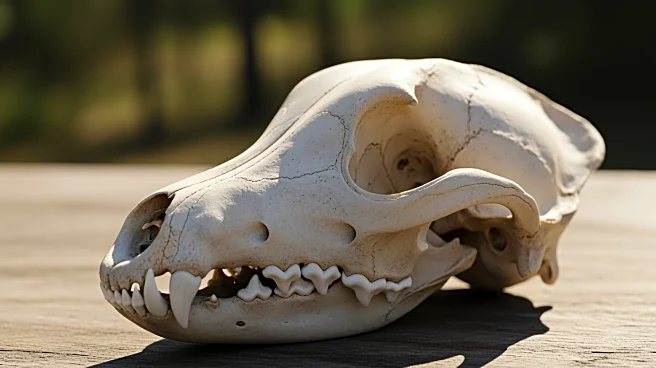




Dogs, scientifically known as Canis familiaris, are a fascinating species with a rich evolutionary history. As members of the Canidae family, dogs share a close relationship with wolves, dingoes, and other canids. This article explores the scientific classification and taxonomy of dogs, providing insight into their place within the animal kingdom.
Family Canidae
Dogs belong to the family Canidae, which includes a variety of carnivorous mammals such as wolves, foxes,
and jackals. Within this family, dogs are classified as a subspecies of Canis lupus, the gray wolf. This classification highlights their close genetic ties to wolves, despite the significant differences in behavior and appearance.
The genus Canis, established by Carl Linnaeus in 1758, encompasses several species, including domestic dogs, wolves, and jackals. Linnaeus distinguished dogs from wolves based on physical traits, such as the upturned tail, which is not found in other canids. This distinction has been maintained in modern taxonomy, with dogs recognized as Canis lupus familiaris.
Subspecies and Related Canids
Dogs are not the only subspecies within the Canis lupus classification. Dingoes and New Guinea singing dogs are also considered subspecies, having diverged from domestic dogs due to geographic isolation and feralization. These canids share a common ancestry with domestic dogs, but have adapted to different environments and lifestyles.
The classification of dingoes has been a topic of debate, particularly in Australia where their status impacts wildlife management policies. Some argue that dingoes should be classified as wild dogs, while others advocate for their recognition as a separate species to support conservation efforts.
Genetic Studies and Evolution
Genetic studies have played a crucial role in understanding the taxonomy of dogs. Research indicates that dogs diverged from wolves between 27,000 and 40,000 years ago, with domestication occurring at least 14,000 years ago. This genetic divergence has led to the development of distinct subspecies, each with unique traits and adaptations.
The taxonomy of dogs is a complex and evolving field, influenced by ongoing research and discoveries. As scientists continue to study the genetic relationships between canids, our understanding of dogs' place within the animal kingdom will deepen.
Understanding the scientific classification of dogs provides valuable insight into their evolutionary history and relationship with other canids. As a subspecies of wolves, dogs have adapted to human environments, becoming one of the most diverse and widespread species on the planet.