






Clothes irons have played a pivotal role in shaping household chores, particularly in the realm of laundry. From their early days as heated metal devices to modern electric models, irons have transformed the way people care for their garments. This article explores the impact of clothes irons on domestic tasks and laundry practices over the years.
Revolutionizing Laundry Practices
The introduction of clothes irons brought significant changes to laundry practices. Before irons, clothes were
often left wrinkled and creased after washing. The ability to smooth out these imperfections with a heated iron improved the appearance of garments, making them look fresh and well-maintained. This was particularly important in societies where clothing was a reflection of social status and personal pride.
Early irons, heated by fire or other fuels, required considerable effort and skill to use effectively. Laundry workers often employed a cluster of solid irons heated from a single source, allowing them to quickly replace a cooled iron with a hot one. This method was labor-intensive but essential for achieving the desired results.
The Convenience of Electric Irons
The advent of electric irons brought convenience and efficiency to the ironing process. Henry W. Seely's invention of the electric flatiron in 1882 marked a turning point, as it eliminated the need for external heating sources. Although the early electric irons were heavy and slow to heat, they paved the way for more advanced models.
With the introduction of thermostatically controlled electric irons in the 1920s, users could maintain a constant temperature, reducing the risk of scorching fabrics. This innovation made ironing safer and more accessible, allowing more households to incorporate it into their regular laundry routines.
Modern Innovations and Household Efficiency
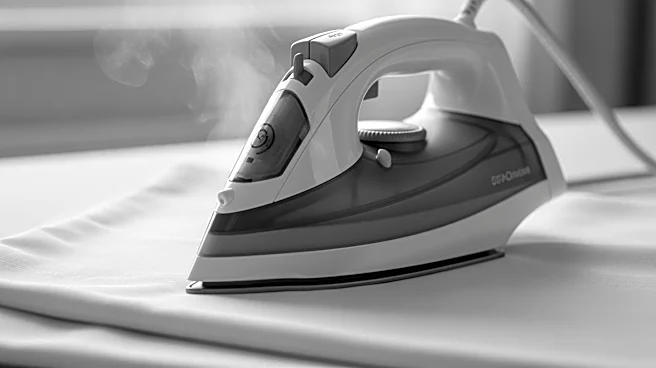
Modern steam irons have further enhanced the efficiency of household chores. The ability to inject steam through the fabric during ironing helps loosen intermolecular bonds, making it easier to remove wrinkles. Features such as steam burst functions and anti-drip systems have made ironing more user-friendly and effective.
Today, irons are equipped with advanced technologies, including energy-saving controls and non-stick coatings, which help streamline the ironing process. These innovations have made it possible for households to maintain their clothing with minimal effort, reflecting the ongoing evolution of domestic tasks.
In conclusion, clothes irons have significantly influenced household chores, transforming laundry practices and improving the appearance of garments. As technology continues to advance, irons will likely remain an essential tool in homes worldwide.