


Anointing holds a significant place in Christian traditions, symbolizing divine favor and spiritual sanctity. This ritual act, involving the application of aromatic oils, is deeply embedded in various Christian sacraments, including baptism, confirmation, and the anointing of the sick. The symbolism of anointing in Christianity is rich and multifaceted, reflecting themes of healing, consecration, and preparation for eternal life.
The Sacrament of Anointing of the Sick
In Christianity, the
anointing of the sick is a sacrament that offers spiritual and physical healing. This practice is rooted in biblical texts, such as the Epistle of James, which instructs the elders of the church to pray over the sick and anoint them with oil. The Catholic Church views this sacrament as a means of uniting the sick person to the passion of Christ, providing strength, peace, and courage to endure suffering.
The anointing of the sick is not limited to those near death but is available to anyone suffering from serious illness. The sacrament is believed to impart the grace of the Holy Spirit, renewing confidence and faith in God. It also offers forgiveness of sins and prepares the individual for passing over to eternal life.
Symbolism in Christian Anointing
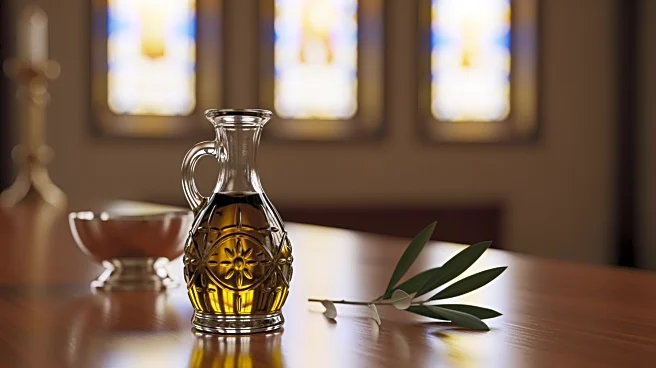
Anointing in Christianity is rich with symbolic meaning. The act of anointing with oil represents the presence of the Holy Spirit and the consecration of the individual to God. In the sacrament of confirmation, anointing with chrism signifies the strengthening of the Holy Spirit's gifts, empowering the individual to live a Christian life.
The use of oil in anointing is also symbolic of healing and comfort. In the Bible, oil is used to soothe wounds and provide relief, reflecting the spiritual healing offered through the sacraments. Anointing is seen as a sign of honor and blessing, marking the individual as chosen and favored by God.
Anointing in Other Christian Rites
Beyond the anointing of the sick, anointing plays a role in other Christian rites, such as baptism and holy orders. In baptism, the oil of catechumens is used to prepare the individual for the sacrament, symbolizing the expulsion of evil spirits and the cleansing of sin. In holy orders, anointing with chrism consecrates priests and bishops, marking them as servants of God.
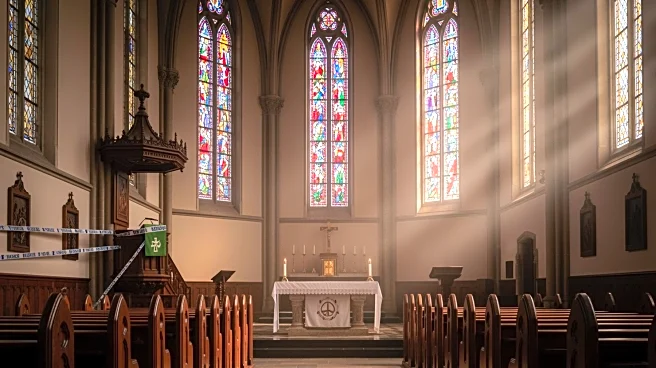
Anointing is also used in the dedication of churches and altars, signifying their sanctification for worship. The ritual of anointing, with its deep symbolic meanings, continues to be a powerful expression of faith and divine grace in Christian traditions.