



Operation Overlord, the Allied invasion of Normandy, was a complex military operation that involved not only ground and naval forces but also significant airborne operations. This article examines the crucial role played by airborne forces during Operation Overlord, highlighting their objectives, challenges, and impact on the success of the invasion.
Objectives of Airborne Operations
The airborne operations during Operation Overlord were designed to secure key positions inland, away
from the beaches, to facilitate the advance of ground forces. On June 6, 1944, the British 6th Airborne Division landed on the eastern flank of the invasion area, tasked with securing bridges and preventing German reinforcements from reaching the beaches.
On the western flank, the 82nd and 101st US Airborne Divisions had similar objectives, including capturing the town of Sainte-Mère-Église and securing causeways through flooded farmland. These operations were crucial for ensuring the success of the amphibious landings by disrupting German defenses and securing vital routes for advancing troops.
Challenges Faced by Airborne Forces
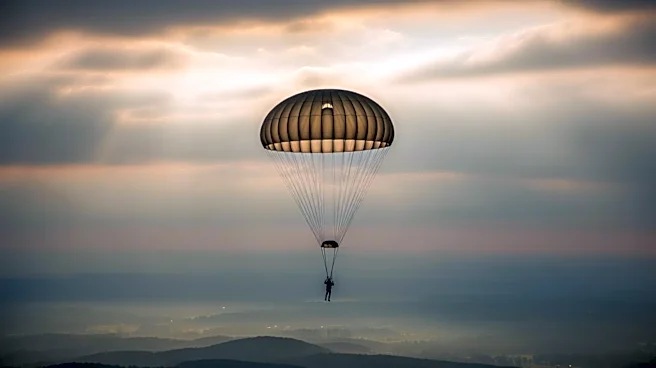
The airborne operations were not without challenges. Many paratroopers landed far from their designated drop zones due to heavy anti-aircraft fire and strong winds. This dispersion made it difficult for units to regroup and fulfill their objectives on the first day.
Despite these difficulties, smaller groups of paratroopers managed to come together and carry out their missions, aided by the confusion among German defenders. The airborne forces suffered significant casualties, with over 3,000 men lost in the first three days of the invasion, but their efforts were instrumental in securing key positions and disrupting German plans.
Impact on Operation Overlord
The airborne operations had a profound impact on the success of Operation Overlord. By securing key positions inland, the airborne forces helped to protect the landing beaches from German counterattacks and facilitated the advance of ground troops.
The capture of Sainte-Mère-Église and other strategic points allowed the Allies to establish a foothold in Normandy and begin their push inland. The airborne forces demonstrated the effectiveness of using paratroopers to achieve strategic objectives, paving the way for future airborne operations in the war.
In conclusion, the airborne forces played a vital role in Operation Overlord, overcoming significant challenges to achieve their objectives. Their contribution was crucial to the overall success of the invasion, highlighting the importance of airborne operations in modern warfare.