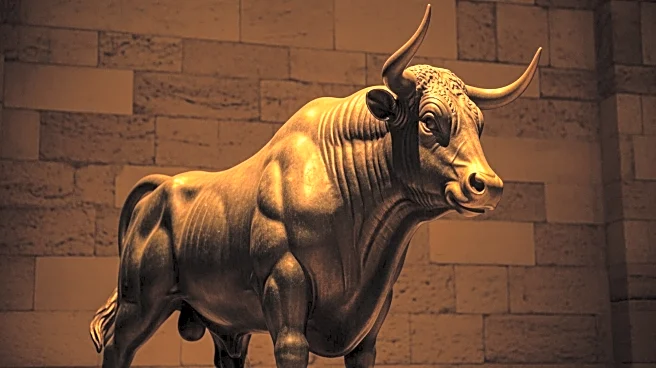




Taurus, the second sign of the zodiac, has a rich historical and mythological significance that dates back to ancient civilizations. Known as the bull, Taurus was revered and worshipped in various cultures, including Mesopotamia, Egypt, and Greece. Its association with the bull and its role in the agricultural calendar made it a symbol of strength, fertility, and renewal.
Taurus in Mesopotamian Culture
In Mesopotamian culture, Taurus was known as "The Great Bull of Heaven." It was the
first sign of the zodiac established by the Mesopotamians, who recognized its importance during the vernal equinox. This period marked the beginning of spring and was crucial for agricultural activities. The bull symbolized strength and fertility, qualities that were essential for a successful harvest.
The Mesopotamians believed that Taurus was the constellation through which the Sun rose during the vernal equinox, signifying the renewal of life and the start of a new agricultural cycle. This association with the bull was reflected in their mythology, where Taurus was often depicted as a powerful and divine creature.
Egyptian and Greek Mythology
In Egyptian mythology, Taurus was associated with the sacred bull, a symbol of renewal and life. The constellation was believed to be covered by the Sun during the spring equinox, leading to the renewal of the land. This "sacrifice" of the bull was seen as a necessary act for the continuation of life and prosperity.
Greek mythology also features Taurus prominently, where it is identified with Zeus, who transformed into a magnificent white bull to abduct Europa, a Phoenician princess. This myth highlights the bull's association with power and transformation, as Zeus used the form of Taurus to achieve his desires. Additionally, Taurus was linked to the Cretan Bull, one of the Twelve Labors of Heracles, further emphasizing its significance in Greek culture.
The Influence of Taurus on Ancient Calendars
Taurus's importance in ancient cultures extended to their calendars and agricultural practices. The constellation's position during the spring equinox made it a key marker for the start of the planting season. This alignment with the agricultural calendar influenced various bull figures in the mythologies of Ancient Sumer, Akkad, Assyria, Babylon, Egypt, Greece, and Rome.
The bull's symbolism of strength and fertility was integral to these cultures, as it represented the promise of a bountiful harvest and the renewal of life. Taurus's role in the zodiac and its historical significance continue to be recognized in modern astrology, where it is celebrated for its stability and practicality.
Overall, Taurus's historical and mythological significance in ancient cultures highlights its enduring influence and the deep connection between astrology and human civilization.