
Setting up a freshwater aquarium can be a rewarding experience, offering a glimpse into the fascinating world of aquatic life. However, creating a thriving aquarium requires careful planning and attention
to detail. This article provides a comprehensive guide to the essential components and considerations for setting up a successful freshwater aquarium.
Choosing the Right Aquarium
The first step in setting up a freshwater aquarium is selecting the right tank. Aquariums are typically made from transparent glass or acrylic glass, with sizes ranging from small fish bowls to large tanks. While fish bowls are not recommended for most fish due to their small size, larger aquariums provide a more stable environment and allow for a greater number of fish.
When choosing an aquarium, consider the surface area and height. A larger surface area allows for better oxygenation, which is crucial for the health of the fish. Short and wide aquariums are preferable for freshwater environments, as they provide more surface area for oxygen exchange. Additionally, all-glass aquariums are often favored for their cost-effectiveness and resistance to scratches and discoloration.
Essential Equipment and Decorations
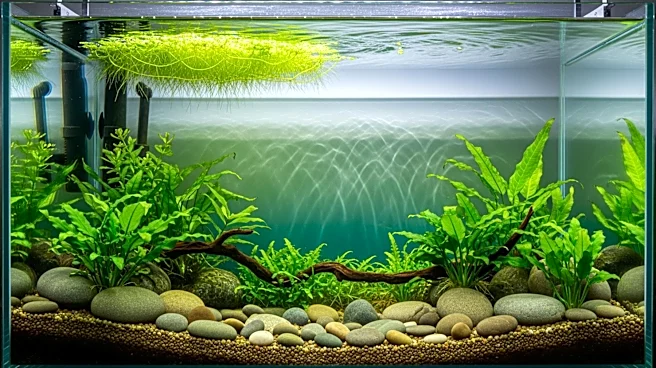
A typical freshwater aquarium setup includes various components to ensure a healthy environment for aquatic life. Essential equipment includes a canopy or hood, lighting accessories, a heater, a thermometer, air pumps, and filtration apparatus. A biological enhancer is also commonly used to speed up the nitrogen cycle by adding beneficial bacteria.
Aquarium substrate, such as sand or gravel, is important for replicating the fish's natural environment and maintaining their health. Decorations, including live or plastic plants, driftwood, and rocks, not only enhance the aesthetic appeal of the aquarium but also provide practical benefits for fish health and water quality.
Maintaining Water Quality
Maintaining water quality is crucial for the success of a freshwater aquarium. Regular water changes, typically 10-30% of the total volume, help remove waste and maintain optimal water conditions. It's important to use a water conditioner to neutralize harmful chemicals in tap water, such as chlorine and chloramine.
Monitoring water parameters, including temperature, pH, and ammonia levels, is essential for the well-being of the fish. A stable temperature, typically between 24 and 27 °C for tropical fish, is necessary for their survival. Additionally, ensuring proper filtration and aeration helps maintain a healthy aquatic environment.
By carefully considering these fundamentals, aquarists can create a thriving freshwater aquarium that provides a beautiful and engaging display of aquatic life. With the right setup and maintenance, a freshwater aquarium can be a source of joy and fascination for years to come.