






Assistive technology has revolutionized the world of sports for individuals with disabilities, enabling them to participate in a wide range of activities and even compete at elite levels. This article explores how assistive technology is used in sports, the types of devices available, and the impact on athletes with disabilities.
The Role of Assistive Technology in Sports
Assistive technology in sports is designed to enable individuals with disabilities to participate in athletic activities
that they might otherwise find challenging. This technology can be used to modify existing sports to accommodate players with disabilities or to create entirely new sports specifically for these athletes. As a result, more people with disabilities are engaging in sports, leading to the development of innovative assistive devices.
These devices range from simple, low-tech solutions to highly advanced technologies that incorporate computers and other sophisticated systems. Assistive technology in sports is not limited to elite competitions like the Paralympic Games; it is also used in local community recreation, making sports accessible to a broader audience.
Types of Assistive Devices in Sports
There are various assistive devices available to support athletes with different impairments. For those with mobility impairments, options include lightweight wheelchairs for basketball and tennis, all-terrain wheelchairs for outdoor activities, and handcycles for cycling. Athletes with visual impairments might use softballs that beep or basketballs with jingle bells to help them locate the ball.
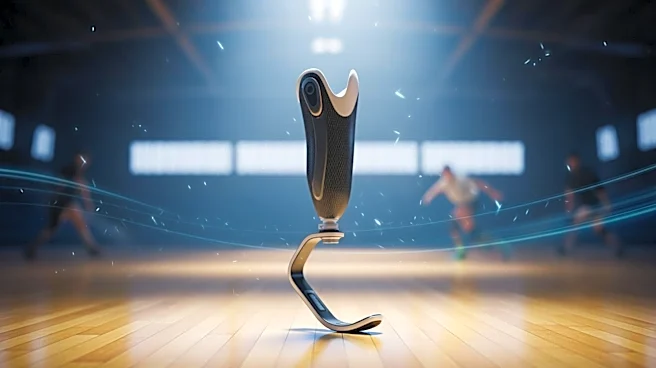
Prosthetic devices are another critical component of assistive technology in sports. These devices are designed for specific athletic purposes, such as running, jumping, or rock climbing. The technology behind prosthetics is continually evolving to meet the demands of athletes who push the boundaries of their capabilities.
Impact on Athletes and Sports
The introduction of assistive technology in sports has transformed the landscape for athletes with disabilities. Sports have shifted from being primarily therapeutic activities to competitive pursuits, with many athletes achieving remarkable success on the international stage. This shift has been facilitated by the development of more complex and effective assistive devices.
However, the use of assistive technology in sports is not without challenges. The technology can be expensive, limiting access for some athletes. Additionally, there are debates about whether certain devices provide an unfair advantage, as seen in the case of prosthetic limbs used by runners. Despite these challenges, assistive technology continues to play a vital role in promoting inclusivity and enhancing the performance of athletes with disabilities.
In conclusion, assistive technology has opened up new opportunities for individuals with disabilities to participate in sports, fostering a more inclusive and competitive environment. As technology continues to advance, it is likely that even more innovative solutions will emerge, further enhancing the capabilities and experiences of athletes with disabilities.