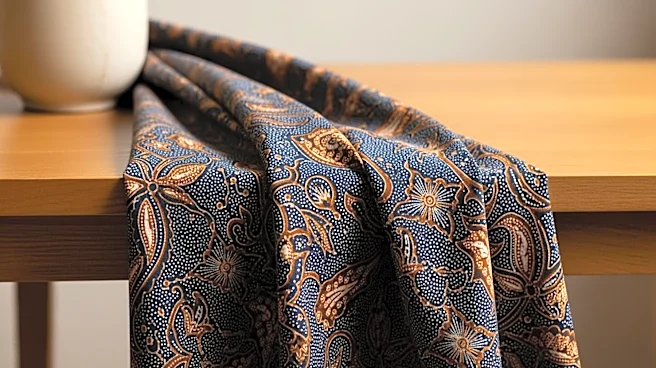

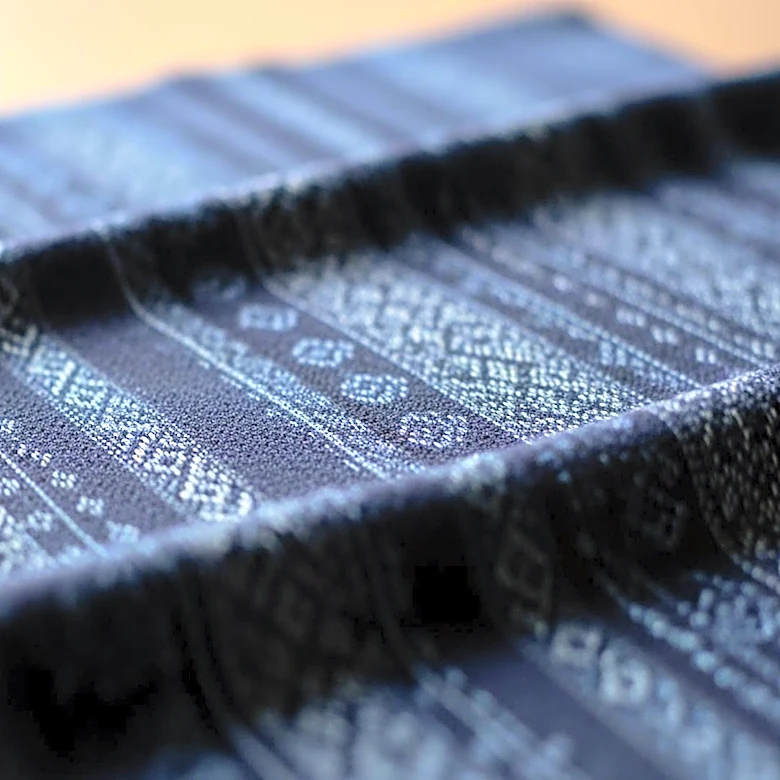





Batik, a traditional Indonesian textile art, has transcended its cultural origins to become a global phenomenon. Known for its intricate patterns and vibrant colors, batik has influenced textile traditions and fashion across the world. This article examines the international impact of batik, highlighting its adaptations and influence in various regions.
Batik in Africa: A Colorful Transformation
Batik's journey beyond Indonesia began in the 19th century when Dutch and English merchants introduced
the technique to Subsaharan Africa. Local artisans embraced batik, modifying it to suit their cultural preferences. African wax prints, characterized by larger motifs, thicker lines, and more vibrant colors, emerged as a popular adaptation of Javanese batik.
These prints have become a staple in African fashion, symbolizing cultural identity and pride. The use of cassava starch, rice paste, or mud as a resist further distinguishes African batik from its Indonesian counterpart, showcasing the versatility and adaptability of the technique.
Batik in China: A Tradition Among Hill Tribes
In southern China, batik is practiced by ethnic hill tribes such as the Miao, Bouyei, and Gejia peoples. These communities use a unique tool called a ladao knife to apply wax to fabric, creating resist patterns for their traditional costumes. The motifs often include dragons, phoenixes, and flowers, reflecting the cultural symbolism of the region.
Batik plays a significant role in the cultural heritage of these tribes, with the indigo-dyed cloth used for skirts, jackets, aprons, and baby carriers. The technique has been passed down through generations, preserving the artistic traditions and cultural identity of these communities.
Batik's Influence in Modern Fashion
Batik's global influence extends to contemporary fashion, where designers incorporate batik patterns into their collections. The unique designs and vibrant colors of batik have inspired fashion houses and artists worldwide, leading to innovative interpretations and applications.
In Australia, aboriginal artists have adopted batik, creating their own distinctive styles that reflect their cultural narratives. Similarly, the works of English artist Thetis Blacker were influenced by Indonesian batik, showcasing the cross-cultural exchange and artistic inspiration batik provides.
Batik's international impact highlights its ability to transcend cultural boundaries, inspiring creativity and innovation across the globe. As a testament to its enduring appeal, batik continues to influence and enrich the world of textile art and fashion.