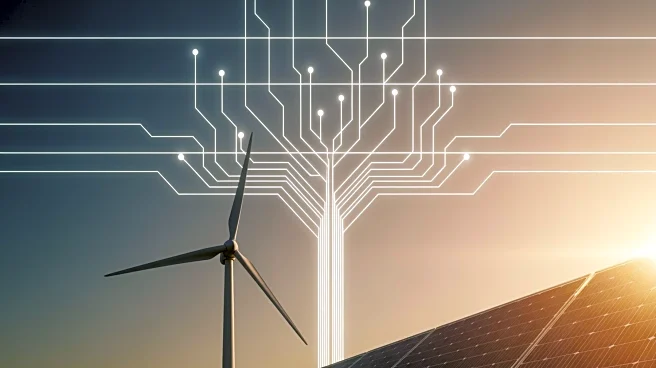

Smart grids have emerged as a pivotal technology in the transition towards sustainable energy systems. By enabling the integration of renewable energy sources such as solar and wind power, smart grids play
a crucial role in reducing carbon emissions and promoting environmental sustainability. This article explores how smart grids facilitate the incorporation of renewable energy into the electricity grid, highlighting the benefits and challenges of this integration.
Enhancing Grid Flexibility
One of the primary advantages of smart grids is their ability to enhance grid flexibility, allowing for the seamless integration of variable renewable energy sources. Traditional grids, designed for centralized power generation, often struggle to accommodate the fluctuating output of solar and wind power. Smart grids, however, employ advanced communication and control technologies to manage these fluctuations effectively.
By utilizing real-time data from sensors and smart meters, smart grids can dynamically adjust electricity supply and demand, ensuring a stable and reliable power supply. This capability is particularly important for integrating renewable energy, as it allows the grid to respond quickly to changes in generation and consumption patterns.
Supporting Distributed Generation
Smart grids also support the concept of distributed generation, where electricity is produced closer to the point of consumption. This approach reduces transmission losses and enhances grid resilience, making it an ideal solution for integrating renewable energy sources. With smart grids, small-scale solar panels and wind turbines can be connected to the grid, contributing to a more decentralized and sustainable energy system.
The use of smart meters and advanced monitoring systems enables utilities to track the performance of distributed generation units, optimizing their operation and maintenance. This not only improves the efficiency of renewable energy systems but also encourages greater consumer participation in energy production.
Overcoming Integration Challenges
Despite the benefits, integrating renewable energy into smart grids presents several challenges. The intermittent nature of solar and wind power can lead to grid instability if not managed properly. To address this issue, smart grids employ energy storage solutions and demand response programs to balance supply and demand.
Energy storage systems, such as batteries, store excess energy generated during periods of high renewable output and release it when demand exceeds supply. Demand response programs, on the other hand, incentivize consumers to adjust their energy usage during peak periods, helping to stabilize the grid.
In conclusion, smart grids are instrumental in facilitating the integration of renewable energy sources, offering a pathway to a more sustainable and resilient energy future. By enhancing grid flexibility and supporting distributed generation, smart grids enable the efficient use of renewable energy, contributing to the global effort to combat climate change.