
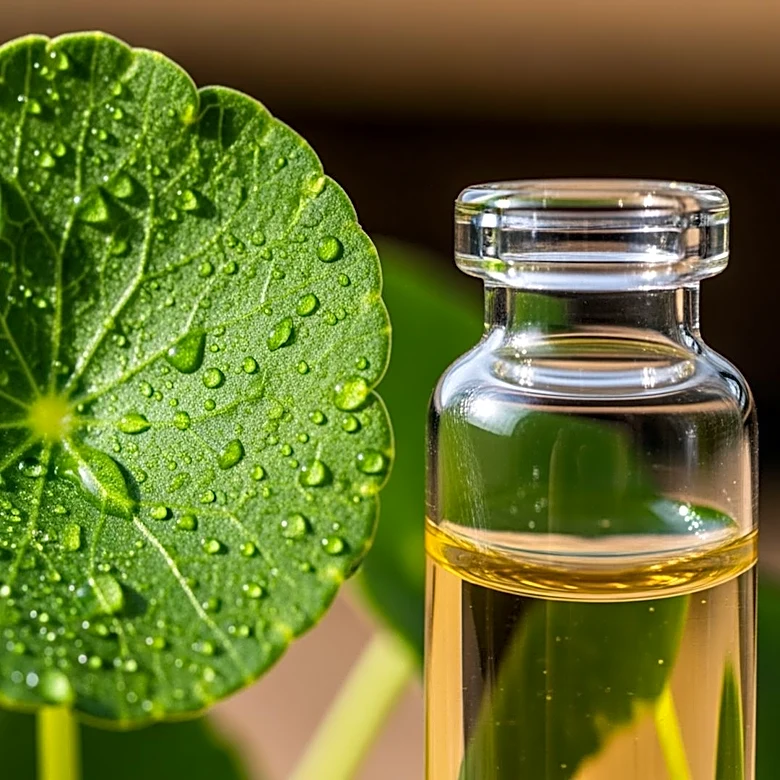
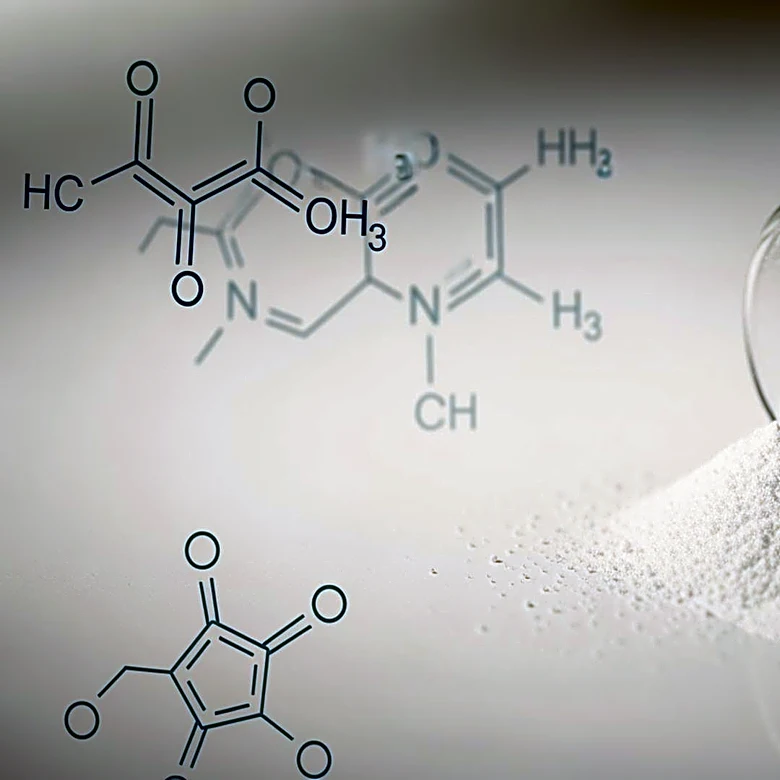



Matrixyl, known scientifically as palmitoyl pentapeptide-4, has made significant waves in the cosmetic industry since its introduction. As an active ingredient in anti-wrinkle cosmetics, Matrixyl has become synonymous with effective skincare solutions aimed at reducing the signs of aging.
The Birth of Matrixyl
The journey of Matrixyl began in 2000 when it was launched as a groundbreaking ingredient for the personal care industry. Developed by Sederma SAS, a French cosmetic
active ingredient manufacturer, Matrixyl was initially known as palmitoyl pentapeptide-3 before being renamed in 2006.
The introduction of Matrixyl marked a significant advancement in the field of cosmetic science. It was one of the first peptides to be recognized for its ability to stimulate collagen production, a key factor in maintaining youthful skin. This innovation opened new doors for the development of anti-aging products that could deliver tangible results.
Matrixyl's Role in the Skincare Revolution
Matrixyl's impact on the skincare industry cannot be overstated. Its ability to reduce wrinkles and fine lines has made it a preferred choice for many cosmetic brands. The peptide works by promoting the synthesis of extracellular matrix macromolecules, which are essential for skin firmness and elasticity.
The success of Matrixyl has led to its widespread use in a variety of skincare products, from serums to creams. Its effectiveness has been supported by numerous studies, both in vitro and in vivo, which have demonstrated its ability to improve skin texture and reduce the appearance of aging.
The Legacy and Future of Matrixyl
Matrixyl's introduction has not only revolutionized the anti-aging segment but has also inspired the development of other similar peptides. These peptides, such as palmitoyl tripeptide-38, continue to build on the foundation laid by Matrixyl, offering enhanced benefits for skin rejuvenation.
As research in cosmetic science progresses, the role of peptides like Matrixyl is expected to grow. The ongoing exploration of their potential benefits could lead to even more effective skincare solutions in the future. Matrixyl's legacy as a pioneering ingredient in anti-aging skincare is firmly established, and its influence will likely continue to shape the industry for years to come.