



The Nissan Leaf has been at the forefront of electric vehicle technology since its debut in 2010. As one of the first mass-produced electric cars, it has introduced several technological advancements that have shaped the industry. This article delves into the key innovations and features of the Nissan Leaf over the years.
Battery and Range Enhancements
The Nissan Leaf was initially equipped with a 24 kWh lithium-ion battery, providing a range of approximately 160 km. This battery was designed
in collaboration with NEC, offering advantages such as efficient cooling and optimal packaging. The battery pack's placement under the floor and between the wheels optimized the vehicle's handling and interior space.
In 2015, Nissan introduced a version of the Leaf with increased autonomy, featuring a 30 kWh battery. This upgrade extended the range, catering to consumers' growing demand for longer distances on a single charge. The second generation of the Leaf, launched in 2018, further improved the range to up to 385 km, showcasing Nissan's commitment to innovation.
Charging Capabilities and Infrastructure
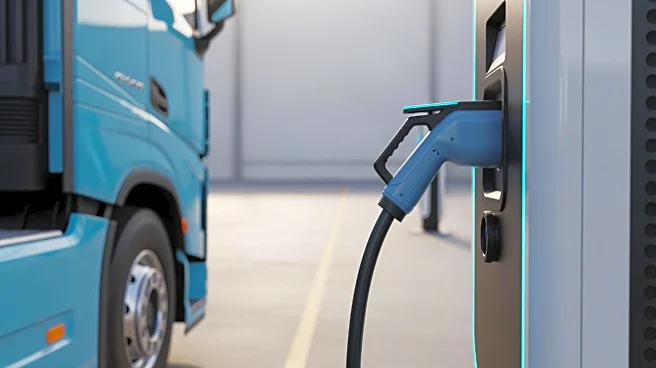
The Nissan Leaf has been a pioneer in charging technology, offering various options to suit different needs. The vehicle can be charged using standard mains electricity, with a full recharge taking approximately eight hours on a 230 V supply. Fast charging is also available, allowing the battery to reach 80% capacity in about 30 minutes with a CHAdeMO port.
Nissan has collaborated with companies like AeroVironment to develop charging stations, ensuring that Leaf owners have access to reliable infrastructure. This focus on charging capabilities has been crucial in promoting electric vehicle adoption and addressing range anxiety.
Safety and Connectivity Features
Safety has always been a priority for the Nissan Leaf, as evidenced by its five-star rating from the Euro NCAP. The Leaf is equipped with electronic stability control and a standard seatbelt reminder system, ensuring a safe driving experience.
The Leaf also features the CarWings telematics system, allowing owners to remotely control the air-conditioner, heater, and charging functions through a smartphone app. This connectivity enhances the user experience, making the Leaf a convenient and efficient choice for consumers.
The technological innovations in the Nissan Leaf have played a significant role in its success and influence on the electric vehicle market. As Nissan continues to develop new features and improvements, the Leaf remains a symbol of progress and sustainability in the automotive industry.