




Power transmission is a critical component of modern infrastructure, enabling the movement of energy from its source to where it is needed. This article explores the differences between mechanical and electrical power transmission systems, highlighting their unique characteristics and applications. Understanding these differences is essential for appreciating the role each system plays in powering our world.
Characteristics of Mechanical Power Transmission
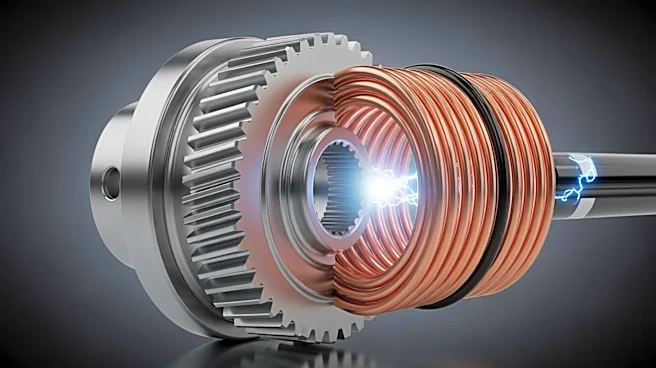
Mechanical power transmission involves the
direct transfer of energy using solid structures such as driveshafts and gears. This method was prevalent from the 16th century through the Industrial Revolution, with systems like push-rods and jerker lines connecting waterwheels to distant machinery. Mechanical transmission systems are characterized by their ability to adjust torque and speed through gears, much like an electrical transformer adjusts voltage and current.
In factories, mechanical power was distributed using overhead line shafts connected to individual machines via drive belts. This setup allowed for the efficient operation of multiple machines from a single power source. Mechanical power transmission is still used in certain applications, such as in oilfields where power is transmitted from a central pumping engine to pump-jacks.
Advantages of Electrical Power Transmission
Electrical power transmission has largely replaced mechanical systems for long-distance energy distribution. The primary advantage of electrical transmission is its ability to minimize resistive losses through the use of alternating current (AC) and transformers. AC allows for easy voltage adjustments, enabling efficient power transmission over great distances.
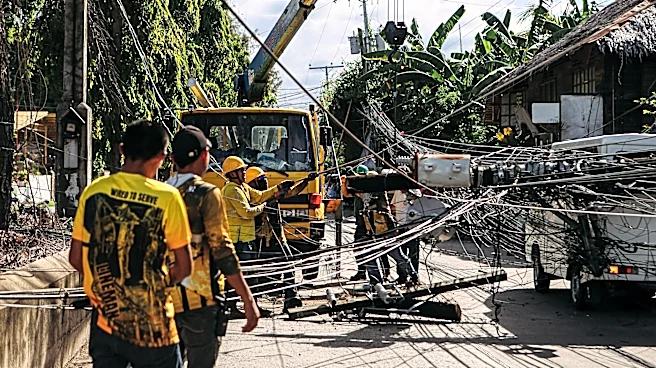
Electrical systems are typically associated with overhead lines, which are the most economical method of transmission. However, underground cables are used in urban areas and for high-voltage direct-current (HVDC) submarine connections. These systems offer flexibility and reliability, making them ideal for modern power grids.
Applications and Future Trends
Mechanical power transmission remains relevant in specific applications where direct energy transfer is advantageous. For example, hydraulic and pneumatic systems use liquid or gas under pressure to transmit power, offering unique benefits in certain industrial settings. These systems are often used in conjunction with mechanical components to achieve desired outcomes.
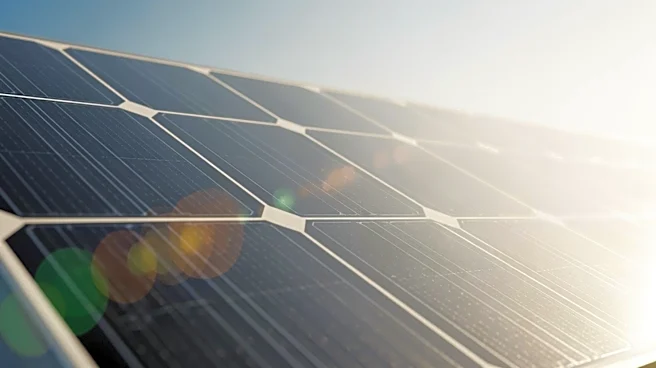
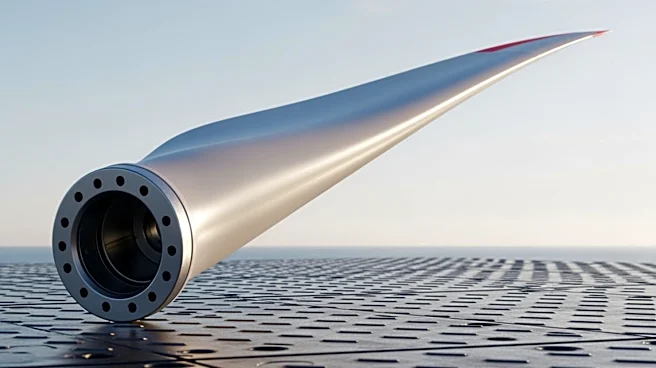
Electrical power transmission continues to evolve with advancements in technology. The integration of renewable energy sources, such as wind and solar, into the grid requires efficient transmission systems to deliver power from remote locations to urban centers. Innovations in high-voltage cables and wireless power transfer methods are expanding the possibilities for electrical transmission, paving the way for a more sustainable energy future.
In conclusion, both mechanical and electrical power transmission systems have distinct characteristics and applications. While mechanical systems offer direct energy transfer, electrical systems provide efficient long-distance transmission. Understanding these differences is crucial for optimizing power distribution in various contexts.