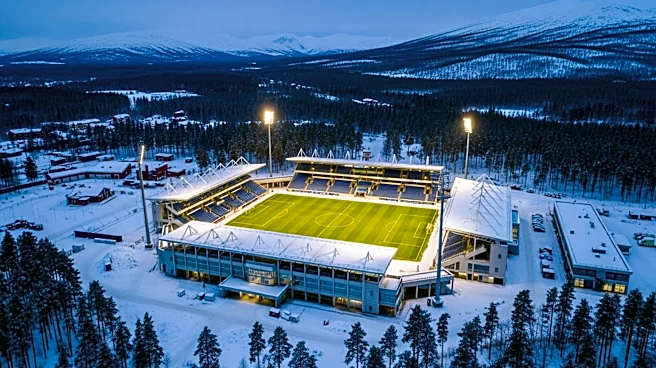









Jernvallen, a stadium located in Sandviken, Sweden, holds a unique place in football history as the northernmost venue to host a FIFA World Cup match. This distinction highlights the stadium's significance in the world of sports and its role in the 1958 FIFA World Cup. This article explores Jernvallen's unique status and the impact of hosting World Cup matches.
Geographic Significance
Situated in Sandviken, Jernvallen's location is noteworthy for its northern latitude. The
stadium's coordinates are 60°36′32″N 16°46′23″E, placing it further north than any other World Cup venue. This geographic distinction adds a layer of intrigue to Jernvallen's history, as it defied conventional expectations for World Cup locations.
The choice to include Jernvallen in the 1958 FIFA World Cup lineup was a testament to Sweden's commitment to showcasing its diverse regions. By hosting matches in Sandviken, the tournament organizers highlighted the country's ability to accommodate international events in various locales, including those outside major urban centers.
The 1958 FIFA World Cup Matches
During the 1958 FIFA World Cup, Jernvallen hosted two matches, both involving the Hungarian national team. The first match was a 1-1 draw against Wales, followed by a decisive 4-0 victory over Mexico. These games attracted significant attention, drawing large crowds and media coverage.
The match against Mexico set the stadium's attendance record, with 20,000 spectators witnessing Hungary's triumph. This event underscored Jernvallen's capacity to host large-scale international events, despite its northern location. The successful execution of these matches demonstrated the stadium's capability and Sweden's organizational prowess.
Legacy and Impact
Jernvallen's role in the 1958 FIFA World Cup left a lasting impact on the stadium and the town of Sandviken. The event brought international attention to the region, boosting its profile and contributing to its cultural heritage. The stadium's unique status as the northernmost World Cup venue remains a point of pride for Sandviken and Sweden.
Today, Jernvallen continues to serve as a vital sports venue, primarily hosting football matches. Its legacy as a World Cup venue is preserved through its ongoing use and the memories of historic matches played on its grounds. Jernvallen's contribution to Swedish sports culture is undeniable, as it remains a symbol of the country's rich football heritage.