


Cinnamon is a beloved spice known for its warm, sweet flavor and aromatic qualities. Derived from the inner bark of trees in the genus Cinnamomum, the journey from tree to spice involves a meticulous process of cultivation, harvesting, and grading. This article explores the steps involved in transforming cinnamon from a tree into the spice we know and love.
Cultivation and Harvesting
Cinnamon trees are evergreen, characterized by their oval-shaped leaves and thick bark. The
most prized variety, Cinnamomum verum, also known as Ceylon cinnamon, is native to Sri Lanka. The trees are cultivated by allowing them to grow for two years before they are coppiced, a process where the stems are cut at ground level. This encourages the growth of new shoots, which are harvested for their bark.
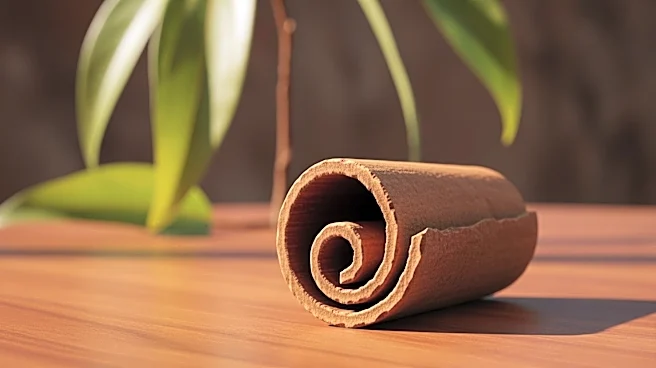
The harvesting process is labor-intensive and requires skilled workers. The outer bark is removed, and the inner bark is carefully peeled off in long strips. These strips are then dried, during which they curl into the familiar quills or sticks. The quality of the cinnamon is determined by the thickness and texture of these quills, with thinner, more delicate quills being more highly valued.
Processing and Grading
Once harvested, the cinnamon quills undergo a grading process to determine their quality. In Sri Lanka, the grading system categorizes quills into four main groups based on their diameter: Alba, Continental, Mexican, and Hamburg. Each group is further divided into specific grades, with the finest quills being less than 6 mm in diameter.
The processing of cinnamon also involves the production of cinnamon oil, a byproduct obtained from the leaves, twigs, and berries of the tree. This oil is used in various applications, including flavoring and aromatherapy. The entire process, from harvesting to grading, is done by hand, making cinnamon production a labor-intensive endeavor.
Global Production and Trade
Today, cinnamon is produced in several countries, with Sri Lanka, China, Vietnam, and Indonesia being the leading exporters. The spice is used in a wide range of culinary applications, from sweet desserts to savory dishes. Its popularity continues to grow, with cinnamon being a staple in many cuisines around the world.
The journey of cinnamon from tree to spice is a testament to the skill and dedication of the workers involved in its production. The meticulous process ensures that the spice retains its unique flavor and aroma, making it a cherished ingredient in kitchens worldwide.