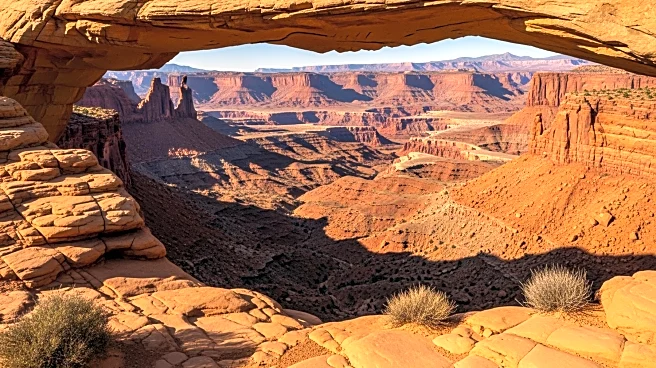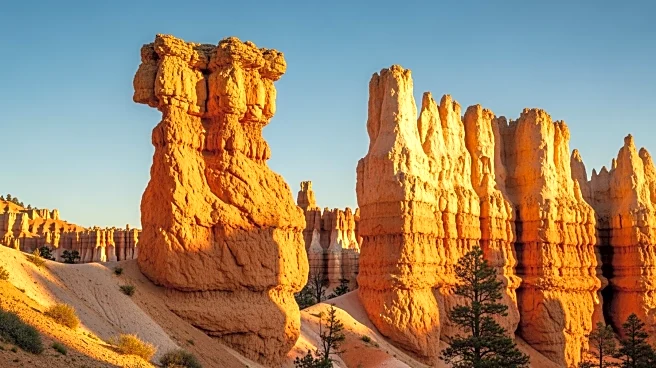




Bryce Canyon National Park, located in southwestern Utah, is renowned for its stunning geological formations. Unlike its name suggests, Bryce Canyon is not a canyon but a series of natural amphitheaters carved into the eastern side of the Paunsaugunt Plateau. The park's unique landscape is characterized by its hoodoos, which are tall, thin spires of rock that protrude from the bottom of arid basins. These formations are the result of millions of years
of geological processes, including erosion and weathering.
The Formation of Hoodoos
The hoodoos of Bryce Canyon are primarily formed from the Claron Formation, which consists of sedimentary rocks deposited during the Cenozoic era. Over time, these rocks have been shaped by the forces of frost weathering and stream erosion. The process begins with water seeping into cracks in the rock, which then freezes and expands, causing the rock to break apart. This cycle of freezing and thawing, known as frost wedging, is a key factor in the formation of hoodoos.
In addition to frost wedging, the park's hoodoos are also shaped by the erosive power of rainwater. The slightly acidic rainwater dissolves the limestone in the Claron Formation, further sculpting the hoodoos into their distinctive shapes. The combination of these processes results in the park's iconic spires, which can reach heights of up to 200 feet.
The Colors of Bryce Canyon
One of the most striking features of Bryce Canyon is the vibrant colors of its rock formations. The red, orange, and white hues of the rocks are due to the presence of various minerals. Hematite, an iron oxide, gives the rocks their red color, while limonite contributes yellow tones, and pyrolusite adds purples. These colors are most vivid at sunrise and sunset, when the low angle of the sun enhances the natural beauty of the landscape.
The colors of Bryce Canyon are not only visually stunning but also provide important clues about the park's geological history. The different layers of rock represent various periods of deposition, with each layer telling a story of the environmental conditions that existed at the time.
The Ongoing Process of Erosion
Erosion is an ongoing process at Bryce Canyon, continually reshaping the landscape. The park's amphitheaters are gradually expanding as erosion continues to wear away the rock. This process is most active during the winter months when the freeze-thaw cycle is most pronounced.
As erosion progresses, new hoodoos are formed, while older ones are eventually worn away. This dynamic process ensures that the landscape of Bryce Canyon is constantly changing, offering visitors a unique glimpse into the natural forces that shape our planet. The park's geological wonders are a testament to the power of nature and the beauty that can result from millions of years of geological activity.