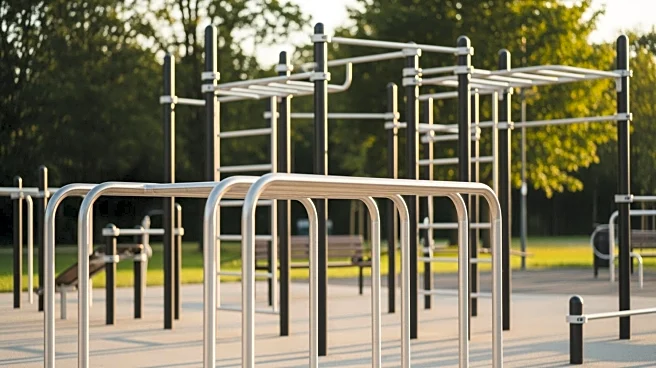




Calisthenics parks have become central to the fitness landscape, offering a unique space for individuals to engage in bodyweight exercises. These parks are not just about physical activity; they serve as community hubs where people come together to share their passion for fitness. This article explores the significance of calisthenics parks in promoting community engagement and fostering a culture of health and wellness.
The Design and Functionality of Calisthenics Parks
Calisthenics parks are designed
to accommodate a variety of exercises, featuring equipment like pull-up bars, parallel bars, and climbing structures. These parks mimic traditional gym setups but emphasize bodyweight training, making them accessible to people of all fitness levels. The simplicity of the equipment allows for a wide range of exercises, from basic push-ups to advanced acrobatic movements.
The layout of calisthenics parks encourages social interaction, with open spaces that invite group workouts and community events. This design fosters a sense of camaraderie among participants, creating an environment where individuals can motivate and support each other. The parks are often located in urban areas, making them easily accessible to residents and promoting outdoor activity.
Community Engagement and Social Impact
Calisthenics parks play a vital role in building community connections. They provide a space for people to gather, share knowledge, and participate in group workouts. This communal aspect of calisthenics parks helps break down barriers, allowing individuals from diverse backgrounds to connect through a shared interest in fitness.
The parks also host events and competitions, further enhancing community engagement. These gatherings bring together enthusiasts from different regions, fostering a sense of unity and collaboration. The social aspect of calisthenics parks is a key factor in their popularity, as they offer more than just a place to exercise—they create a community.
Promoting Health and Wellness
Calisthenics parks contribute to public health by encouraging physical activity and promoting a healthy lifestyle. The accessibility of these parks makes it easy for people to incorporate exercise into their daily routines, reducing the need for expensive gym memberships. This democratization of fitness helps combat sedentary lifestyles and promotes overall well-being.
By providing a space for outdoor exercise, calisthenics parks also offer mental health benefits. The combination of physical activity and social interaction can reduce stress and improve mood, making these parks an essential component of urban wellness initiatives. As calisthenics continues to grow in popularity, the role of these parks in promoting health and community engagement will only become more significant.