
Pilates, a popular mind-body exercise, has undergone significant transformations since its inception. Originally developed by Joseph Pilates, the method was called Contrology and focused on controlled
movements to improve physical and mental health. Over the years, Pilates has evolved, incorporating various modifications and styles, making it accessible to millions worldwide.
The Origins of Pilates
Joseph Pilates, born in Germany, created Contrology during World War I while interned at Knockaloe Internment Camp. His method aimed to strengthen both the mind and body, believing in their interrelation. Inspired by physical training regimens in Germany, Pilates developed exercises using special apparatuses, claiming they could cure ill health. His approach was rooted in the physical culture of the late nineteenth century, emphasizing corrective exercise.
Pilates published two books detailing his method: "Your Health" and "Return to Life Through Contrology." These works laid the foundation for his exercise system, which focused on controlled movements, alignment, and breathing. Pilates directly trained only two assistants, Kathy Stanford Grant and Lolita San Miguel, who helped propagate his teachings.
The Transformation into Classical Pilates
After Joseph Pilates' death, his disciples continued teaching his method, often incorporating their own modifications. This led to the emergence of Classical Pilates, which retained the core principles of Contrology but included small changes. Notable figures like Carola Trier and Ron Fletcher contributed to this style, adding new exercises and variations.
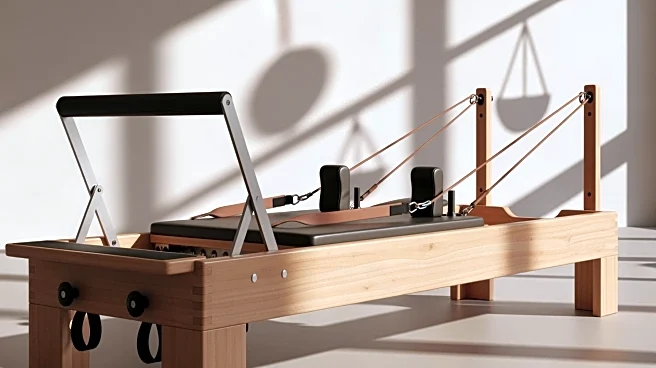
Classical Pilates maintained the essence of Contrology, focusing on a limited number of exercises executed systematically. It emphasized the use of original apparatuses, such as the Reformer and Cadillac, to enhance stretching and strengthening. Despite modifications, Classical Pilates remained true to Joseph Pilates' vision of controlled movements.
Contemporary Pilates and Its Variations
As Pilates gained popularity, contemporary styles emerged, incorporating significant changes to the original method. These variations included new exercises, modified apparatus designs, and altered breathing patterns. Contemporary Pilates embraced innovation, integrating knowledge about the human body unavailable to Joseph Pilates.
Fusion forms like AquaPilates and Yogilates combined Pilates with other disciplines, enriching the exercise system. Despite debates between Classical and Contemporary Pilates enthusiasts, the method's adaptability has allowed it to thrive globally. Today, Pilates is practiced by over 12 million people, tailored to diverse fitness goals and abilities.
Pilates' journey from Contrology to contemporary practice highlights its evolution and enduring appeal. Whether through Classical or Contemporary styles, Pilates continues to offer a balanced approach to physical and mental well-being.