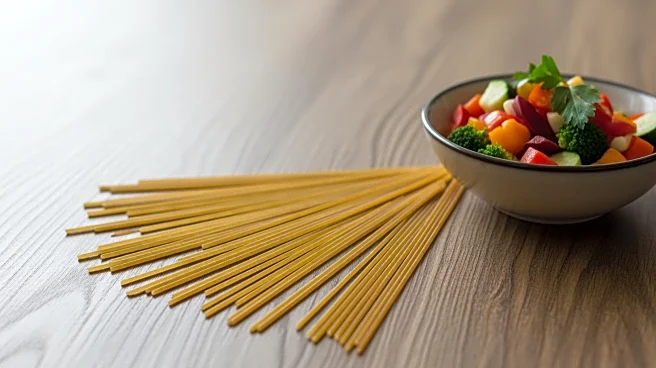




Spaghetti, a beloved staple in Italian cuisine, is not only a culinary delight but also a source of essential nutrients. While often associated with indulgence, spaghetti can be part of a balanced diet when consumed mindfully. This article explores the nutritional aspects of spaghetti, highlighting its benefits and considerations for maintaining a healthy lifestyle.
Carbohydrates and Energy
Spaghetti is primarily composed of carbohydrates, making it an excellent source of energy.
Carbohydrates are essential for fueling the body, providing the necessary energy for daily activities and physical exertion. For those leading active lifestyles, spaghetti can be a valuable addition to their diet, offering a quick and efficient energy boost.
In addition to carbohydrates, spaghetti contains some protein, which is crucial for muscle repair and growth. While not a significant source of protein compared to other foods, it can contribute to the overall protein intake when paired with complementary ingredients like meat, cheese, or legumes.
Fiber and Whole Grains
Whole wheat spaghetti offers additional nutritional benefits, particularly in terms of dietary fiber. Fiber is essential for digestive health, helping to regulate bowel movements and prevent constipation. It also plays a role in maintaining healthy cholesterol levels and supporting heart health.
Choosing whole wheat spaghetti over refined versions can enhance the nutritional profile of a meal, providing more fiber and essential nutrients. This choice aligns with dietary recommendations to increase whole grain consumption for overall health and well-being.
Vitamins and Minerals
Spaghetti provides a modest amount of essential vitamins and minerals, including iron, potassium, and B vitamins. These nutrients play vital roles in various bodily functions, from oxygen transport to energy metabolism. While spaghetti alone may not fulfill all nutritional needs, it can contribute to a well-rounded diet when combined with a variety of foods.
It's important to note that the nutritional value of spaghetti can vary based on preparation and serving size. Adding nutrient-rich sauces, vegetables, and lean proteins can enhance the overall nutritional content of a spaghetti dish, making it a more balanced and satisfying meal.
In conclusion, spaghetti can be a nutritious and enjoyable part of a balanced diet. By choosing whole grain options and incorporating a variety of ingredients, individuals can savor the flavors of spaghetti while reaping its nutritional benefits. As with any food, moderation and mindful preparation are key to maintaining a healthy lifestyle.