


The Chrysler Hemi engine is renowned for its engineering excellence and innovative design. This article delves into the technical features that make the Hemi engine a standout in the automotive world, focusing on its unique combustion chamber design, valve train complexity, and modern advancements.
Hemispherical Combustion Chambers
At the heart of the Hemi engine's performance is its hemispherical combustion chamber design. This design allows for larger intake and exhaust valves, which
improve airflow and increase power output. The hemispherical shape also provides an excellent surface-to-volume ratio, minimizing heat loss and promoting efficient combustion.
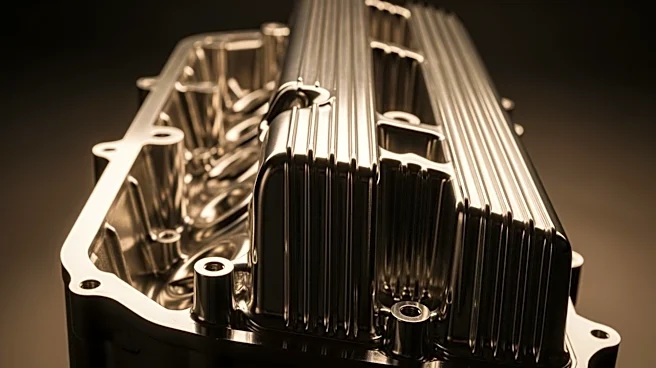
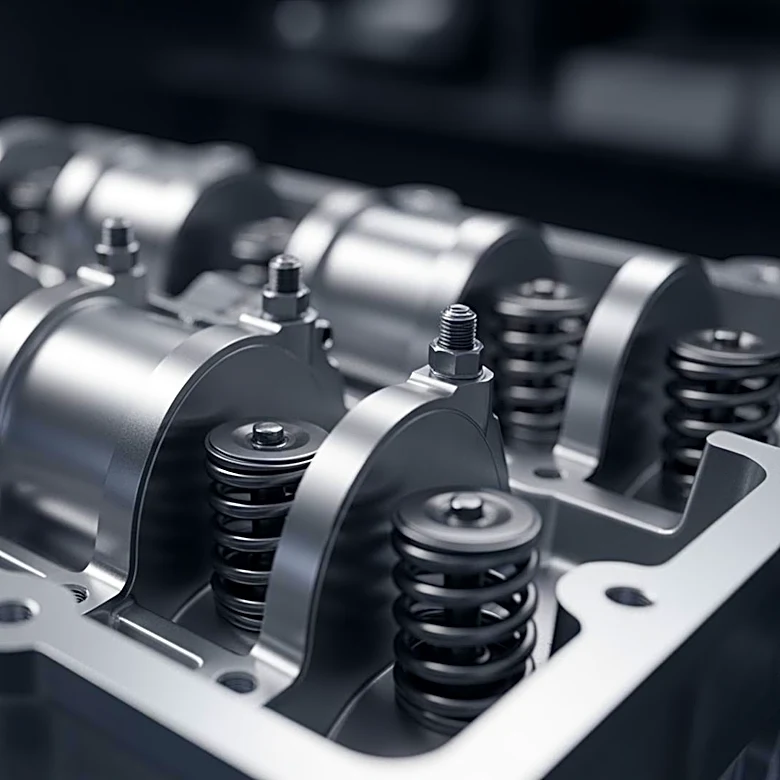
However, the hemispherical design presents challenges, such as the complexity of the valve train. The valves are positioned on opposite sides of the chamber, necessitating a cross-flow head design and complex rocker arm geometry. Despite these challenges, the benefits of the hemispherical chamber, including increased power and efficiency, have made it a defining feature of the Hemi engine.
Advanced Valve Train and Ignition Systems
The Hemi engine's valve train is a marvel of engineering, designed to accommodate the large valves and unique geometry of the hemispherical chamber. The complexity of the valve train is one of the reasons why the Hemi engine is larger and heavier than conventional designs. This complexity is managed through the use of advanced materials and precise engineering, ensuring reliability and performance.
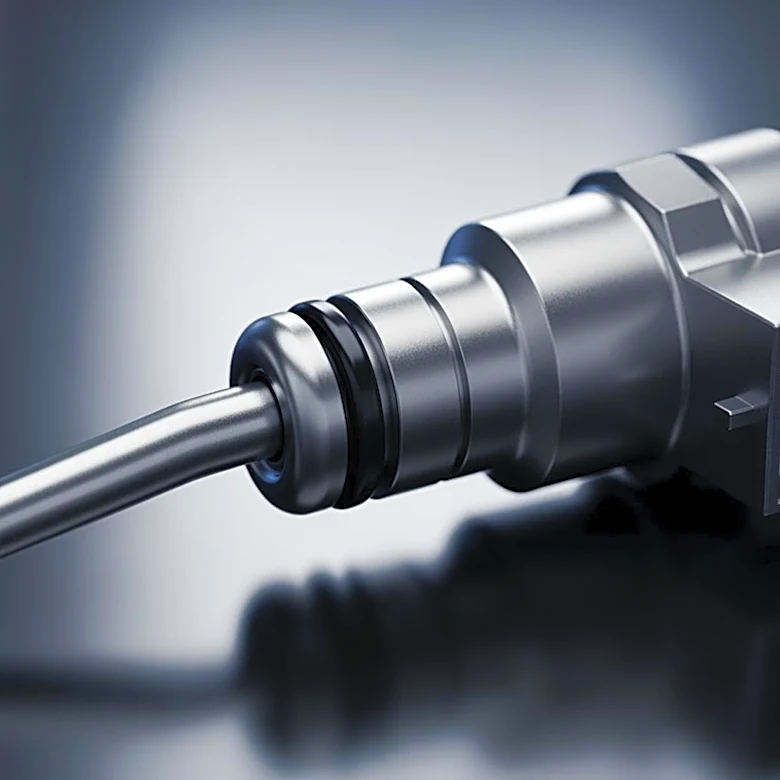
Modern Hemi engines have further enhanced their performance with the introduction of coil-on-plug ignition systems and dual spark plugs per cylinder. These innovations shorten flame travel, leading to more consistent combustion and reduced emissions. The use of variable valve timing in current Hemi engines also optimizes performance and fuel efficiency, adapting to different driving conditions.
Modern Innovations and Efficiency
The third generation of Hemi engines, introduced in 2003, incorporates several modern innovations that enhance performance and efficiency. One such innovation is the Multi-Displacement System (MDS), which improves fuel economy by deactivating cylinders under light load conditions. This system allows the engine to operate on fewer cylinders when full power is not needed, reducing fuel consumption without sacrificing performance.
The current Hemi engines also feature a more complex combustion chamber design, moving away from the traditional hemispherical shape to improve combustion efficiency. These engines are designed to meet modern emissions standards while maintaining the power and performance that the Hemi name is known for. With power outputs ranging from 357 to 395 horsepower, the modern Hemi engines continue to be a testament to Chrysler's commitment to innovation and engineering excellence.