
Safety in motorsports is paramount, and NASCAR has made significant strides in this area over the years. From the early days of racing to the present, NASCAR has implemented numerous safety measures to protect drivers and enhance the overall safety of the sport. This article explores the evolution of these safety measures and their impact on NASCAR.
Early Safety Concerns
In the early days of NASCAR, safety was not as prioritized as it is today. The sport's origins in bootlegging
meant that drivers were more focused on speed and evasion than on safety. However, as organized racing grew in popularity, the need for safety measures became apparent. The tragic death of Fireball Roberts in 1964, due to complications from burns sustained in a crash, highlighted the dangers drivers faced on the track.
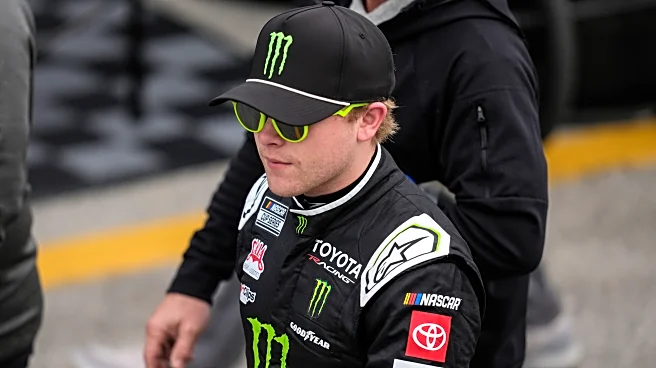
In response to such incidents, NASCAR began to implement safety measures, including the requirement for fire-retardant driver suits. These suits became mandatory to protect drivers from the risk of fire, a common hazard in high-speed crashes. This marked the beginning of NASCAR's journey toward improving driver safety.
The Turning Point: Dale Earnhardt's Death
The death of Dale Earnhardt in the 2001 Daytona 500 was a pivotal moment for NASCAR safety. Earnhardt's fatal crash brought the issue of driver safety to the forefront, prompting NASCAR to take immediate action. The introduction of the SAFER (Steel and Foam Energy Reduction) barrier was one of the significant changes made in the aftermath of Earnhardt's death.
The SAFER barrier, designed to absorb and reduce the impact of crashes, was installed at tracks across the country. Additionally, NASCAR mandated the use of the HANS (Head and Neck Support) device, which helps prevent severe head and neck injuries during crashes. These measures have significantly improved driver safety and reduced the risk of fatal accidents.
Continued Safety Innovations
NASCAR's commitment to safety has continued to evolve with the introduction of the Car of Tomorrow in 2007. This new car design featured a higher roof, wider cockpit, and a driver seat positioned more toward the center of the vehicle, all aimed at enhancing driver protection. The Car of Tomorrow represented a significant step forward in NASCAR's safety efforts.
Today, NASCAR remains vigilant in its pursuit of safety innovations. The sport has not seen a driver fatality since 2001, a testament to the effectiveness of the safety measures implemented over the years. NASCAR's proactive approach to safety continues to set a standard in motorsports, ensuring that drivers can compete in a safer environment.