



The Alaska Highway, a monumental feat of engineering, was constructed during World War II to connect the United States with Alaska through Canada. This ambitious project was driven by military necessity and completed in 1942, marking a significant collaboration between the U.S. and Canada. The highway, originally spanning 1,700 miles, was a strategic response to the Japanese threats in the Pacific Theater, particularly after the attack on Pearl Harbor.
Strategic Importance
The decision to build the Alaska Highway was heavily influenced by the geopolitical climate of the early 1940s. The Japanese attack on Pearl Harbor and subsequent threats to the west coast of North America underscored the need for a reliable land route to Alaska. On February 6, 1942, the U.S. Army approved the construction of the highway, and it received authorization from Congress and President Roosevelt shortly thereafter. The highway was intended to facilitate the movement of troops and supplies, providing a crucial link between the continental U.S. and Alaska.
The route chosen for the highway, known as Route C, was advocated by the U.S. Army Corps of Engineers. This option was deemed practical as it was far enough inland to avoid enemy planes and linked airfields of the Northwest Staging Route, which conveyed lend-lease aircraft from the U.S. to the Soviet Union. The terrain was relatively level, avoiding high mountain passes, which made construction more feasible.
Construction Challenges
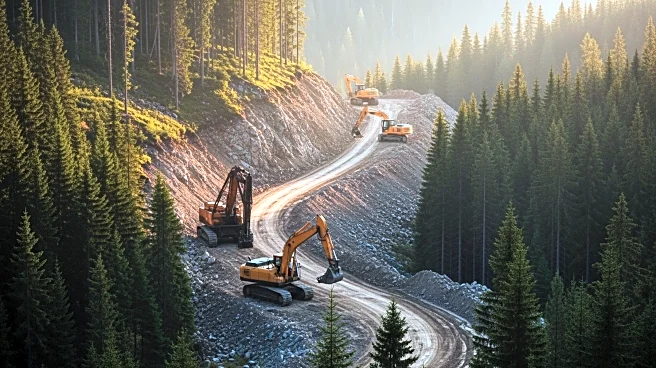
Building the Alaska Highway was a formidable task, undertaken primarily by the U.S. Army Corps of Engineers. More than 10,000 men, including African-American soldiers from segregated regiments, were assigned to the project. The construction crews faced harsh weather conditions, remote locations, and challenging terrain. The official start of construction was on March 9, 1942, near Dawson Creek, British Columbia. As winter faded, work accelerated, spurred by reports of Japanese invasions in the Aleutian Islands.
The highway was nicknamed the "oil can highway" due to the numerous discarded oil cans and fuel drums marking its progress. The construction crews also encountered Indigenous villages, such as Champagne, which they used as camps. Unfortunately, disease spread among the Indigenous population, leading to significant loss of life.
Completion and Legacy
The Alaska Highway was completed on October 28, 1942, with crews meeting at Mile 588 at Contact Creek. The highway was dedicated on November 20, 1942, at Soldier's Summit. Although initially rough and challenging to drive, the highway was a critical military asset during the war. After the war, the Canadian portion of the highway was turned over to Canada, and ongoing maintenance became their responsibility.
Today, the Alaska Highway is fully paved and serves as a vital transportation route, reflecting its enduring legacy as a symbol of international cooperation and strategic foresight during a time of global conflict.