


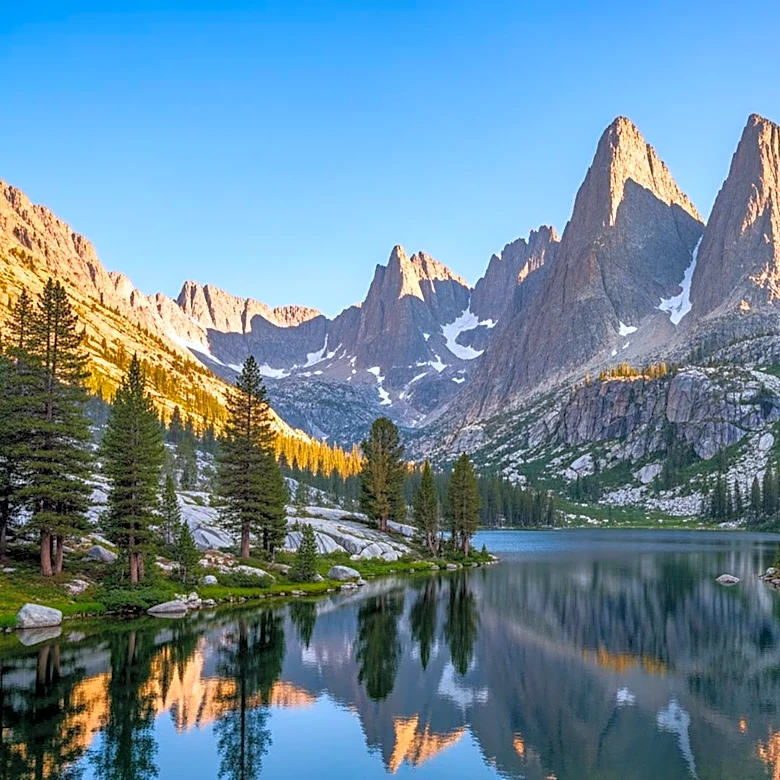



Grand Teton, the highest peak in the Teton Range, is not only a natural marvel but also a significant destination in the world of mountaineering. Located in Grand Teton National Park, Wyoming, this peak has a rich history of climbing that attracts adventurers from around the globe. This article delves into the climbing legacy of Grand Teton, exploring its history, notable routes, and the challenges climbers face.
Historical Climbing Achievements
The history of climbing Grand Teton
is marked by notable achievements and controversies. The first recorded ascent is claimed by Nathaniel P. Langford and James Stevenson in 1872, although there is some debate about whether they reached the true summit. Another significant ascent was made by a party led by William O. Owen in 1898, which is often credited as the first confirmed ascent to the summit.
The mountain's challenging terrain and the mystery surrounding its early ascents have made it a legendary destination for climbers. The debate over the first ascent adds to the mountain's allure, drawing climbers who wish to follow in the footsteps of these early pioneers.
Popular Climbing Routes
Grand Teton offers several climbing routes, each with its own unique challenges and rewards. The Owen-Spalding route is the most famous and frequently climbed path. Named after William Owen and Franklin Spalding, this route is known for its exposed sections and requires previous alpine climbing experience.
Another popular route is the North Ridge, which offers a more technical climb with stunning views of the surrounding landscape. Climbers often choose this route for its combination of technical difficulty and breathtaking scenery. Regardless of the chosen path, climbers must be prepared for the mountain's unpredictable weather and challenging conditions.
Challenges and Preparation
Climbing Grand Teton is not for the faint of heart. The mountain's elevation and rugged terrain require climbers to be in excellent physical condition and well-prepared for the challenges ahead. Weather conditions can change rapidly, adding an element of unpredictability to any ascent.
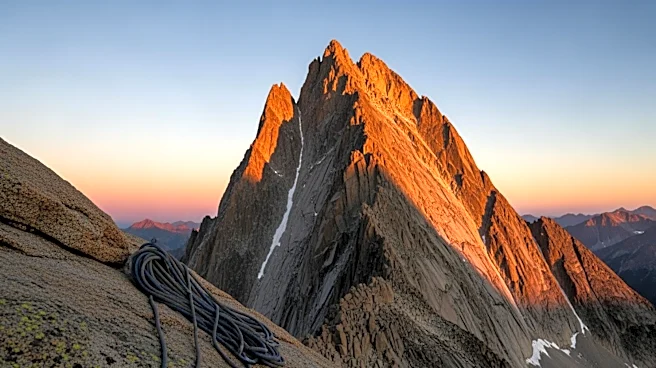
Proper preparation is essential for a successful climb. Climbers should be equipped with the necessary gear, including ropes, harnesses, and protective clothing. Many climbers choose to hire experienced guides to ensure a safe and successful ascent.
In conclusion, Grand Teton's climbing legacy is a testament to the mountain's enduring appeal and the spirit of adventure it inspires. Whether you're an experienced climber or a novice seeking a new challenge, Grand Teton offers an unforgettable experience in the heart of the American wilderness.