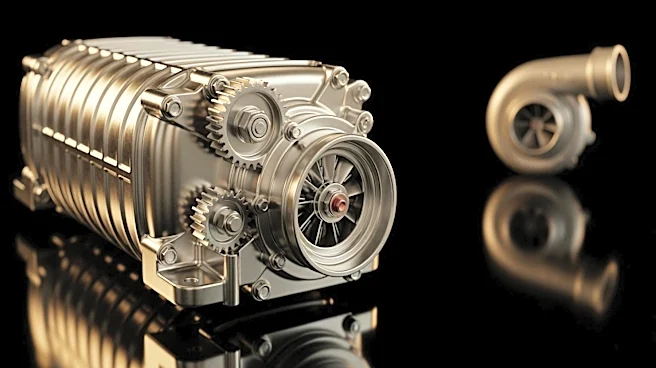





Superchargers have played a significant role in the evolution of internal combustion engines, particularly in the automotive industry. These devices, which increase engine power by compressing intake air, have seen various applications and transformations over the years. From their early use in aircraft to their adoption in cars, superchargers have been pivotal in enhancing engine performance.
Early Developments and Applications
The concept of supercharging dates back to the late 19th
century. The first supercharged engine was built in 1878, marking the beginning of a new era in engine performance. Initially, superchargers were primarily used in aircraft engines during the 1910s. The need to compensate for lower air density at high altitudes made superchargers an essential component in aviation, allowing aircraft to maintain power and efficiency.
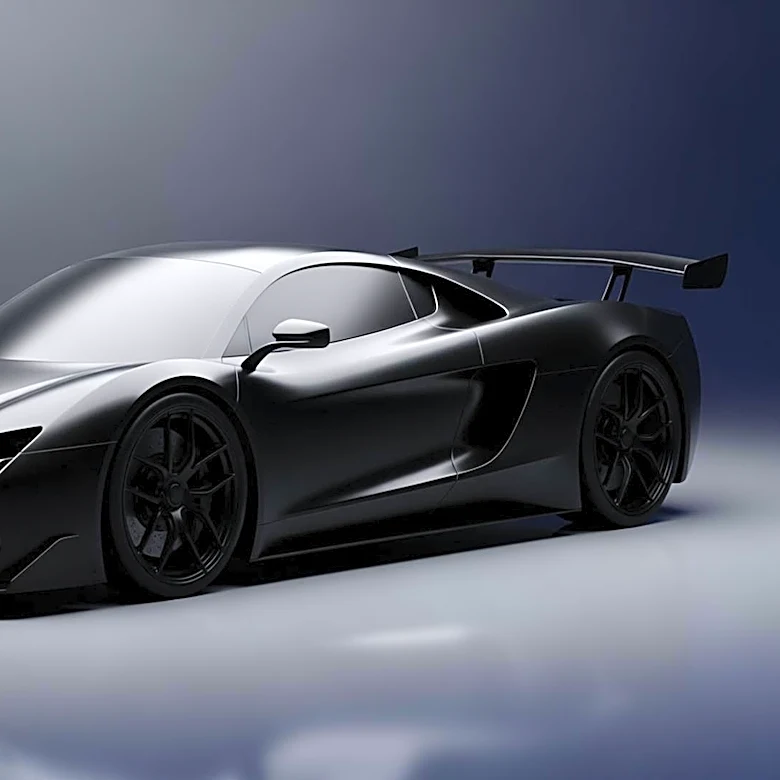
By the 1920s, superchargers found their way into the automotive industry. Car manufacturers began to explore the potential of superchargers to boost engine performance. This period saw the introduction of supercharged racing cars, which quickly gained popularity for their enhanced speed and power. The use of superchargers in cars allowed smaller engines to produce competitive power outputs, making them a popular choice for racing enthusiasts.
The Rise and Decline of Mechanical Superchargers
Throughout the mid-20th century, mechanical superchargers became a common feature in high-performance vehicles. These devices were typically powered by a belt connected to the engine's crankshaft, providing a direct and immediate boost in power. However, as technology advanced, the limitations of mechanical superchargers became apparent. They were less fuel-efficient compared to their emerging counterpart, the turbocharger.
By the 21st century, the automotive industry saw a shift towards turbocharging. Turbochargers, which utilize exhaust gases to power the compressor, offered better fuel economy and higher power outputs. This transition led to a decline in the use of mechanical superchargers in production cars. Despite this, superchargers remained popular in specific applications, such as drag racing, where immediate throttle response was crucial.
Modern Innovations and Variants
In recent years, the development of electric superchargers has introduced a new dimension to forced induction technology. Unlike traditional superchargers, electric superchargers use an electric motor to compress intake air, providing an instant boost without relying on engine power. This innovation addresses some of the efficiency issues associated with mechanical superchargers, offering improved performance and reduced lag.
Additionally, the concept of twincharging, which combines both supercharging and turbocharging, has emerged as a way to maximize engine performance across a wide range of speeds. This approach leverages the strengths of both systems, providing a seamless transition from low to high engine speeds.
Overall, the evolution of superchargers reflects the ongoing quest for improved engine performance and efficiency. As technology continues to advance, superchargers remain a vital component in the pursuit of automotive excellence.