






The Hatha Yoga Pradipika, a 15th-century Sanskrit text, stands as a cornerstone in the history of Hatha yoga. Written by Svātmārāma, this manual is one of the three classic texts on Hatha yoga, alongside the Gheranda Samhita and the Shiva Samhita. It has played a crucial role in shaping the practice and understanding of Hatha yoga, tracing its teachings back to the Natha tradition and Matsyendranath. This article delves into the historical context
and significance of the Hatha Yoga Pradipika, highlighting its contributions to the evolution of yoga.
Origins and Composition
The Hatha Yoga Pradipika was composed in the 15th century by Svātmārāma, who compiled it from earlier Hatha yoga texts. Svātmārāma's work is a synthesis of older Sanskrit concepts, presenting Hatha yoga as a preparatory stage for physical purification before higher meditation or Raja Yoga. The text is structured into four chapters, consisting of 389 shlokas or verses, which cover a wide range of topics including purification, posture, breath control, and spiritual centers in the body.
Svātmārāma traces the lineage of the teachings to Matsyendranath of the Natha tradition, emphasizing the historical roots of Hatha yoga. The text lists thirty-five earlier Hatha Yoga masters, including prominent figures like Ādi Nātha, Matsyendranāth, and Gorakṣanāth. This lineage underscores the deep historical connections and the transmission of knowledge within the tradition.
Influence on Hatha Yoga Practice
The Hatha Yoga Pradipika has been instrumental in shaping the practice of Hatha yoga. It provides detailed instructions on various aspects of yoga, such as asanas (postures), prāṇāyāma (breath control), and mudrās (energetic seals). These practices are designed to purify the body and mind, preparing the practitioner for deeper meditation and spiritual growth.
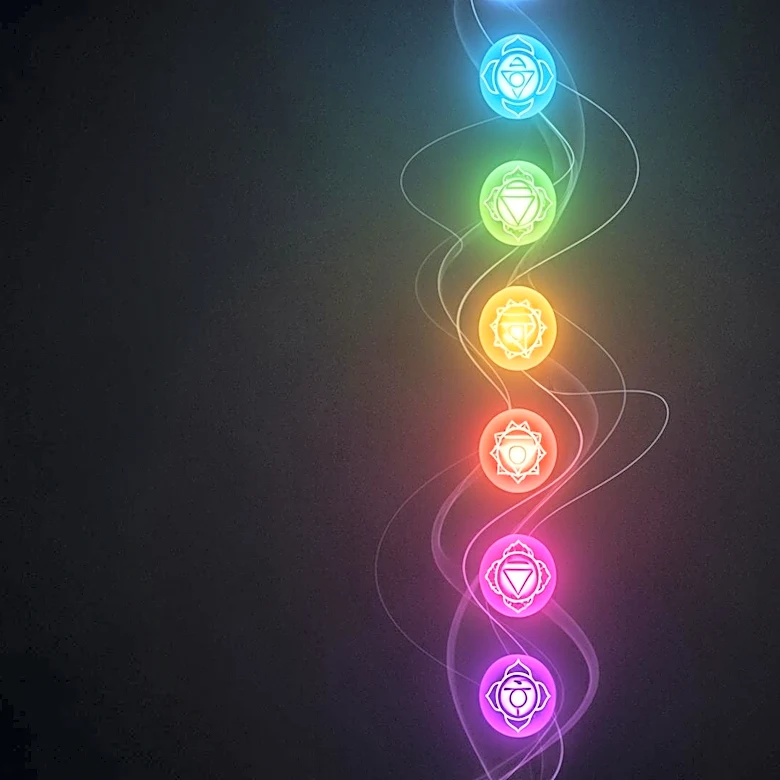
The text also introduces the concept of chakras, or spiritual centers in the body, and discusses the role of kuṇḍalinī energy. By integrating these elements, the Hatha Yoga Pradipika offers a comprehensive framework for understanding and practicing Hatha yoga. Its influence extends beyond the physical aspects of yoga, encompassing the spiritual and energetic dimensions as well.
Modern Relevance and Research
In modern times, the Hatha Yoga Pradipika continues to be a vital resource for yoga practitioners and scholars. It is frequently studied in yoga teacher training programs, alongside other classical texts like Patanjali's Yoga Sutras. The text's historical significance has spurred further research into the origins and development of Hatha yoga.
Scholars like James Mallinson have explored the connections between the Hatha Yoga Pradipika and earlier works, identifying eight early Hatha yoga texts that may have contributed to its formation. This ongoing research enriches our understanding of the historical context and evolution of Hatha yoga, highlighting the enduring legacy of the Hatha Yoga Pradipika in the world of yoga.